
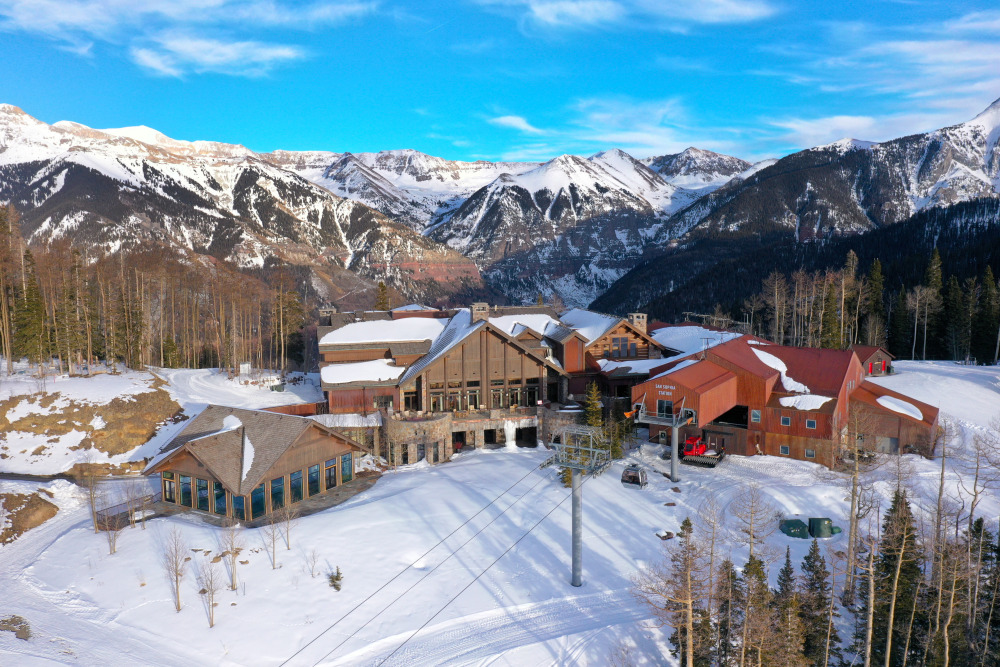
A Club for the New Telluride
|
Getting your Trinity Audio player ready...
|
The Alpine Club Will Open In Summer 2027, Bringing A New Private Club To The Mountains
Telluride has always been good at turning visitors into locals. First came miners, then ranchers, ski workers, and bartenders. Today’s newcomers arrive with remote jobs, families and second homes, spending months here.
“There’s just a lot of history here, and it’s very authentic,” said Alpine Club general manager George Bigley. “People come here and they want to blend in.”
Skiing may have put Telluride on the map, but summer makes a case for staying. Ski runs become hiking and mountain-biking trails; fly-fishing and horseback riding fill the days. Town Park hosts Telluride’s Bluegrass Festival, its Jazz Festival, and Blues & Brews, the last of which one local said, “started out as a beer fest” before things “got a little sideways.”


Alpine Club Has Year Round Attractions With Winter For Skiing And Other Winter Sports And Summer For Mountain Biking, Riding On Horse Trails And Fishing.
Downtown packs plenty into a few blocks. 221 South Oak serves seasonal American cooking in a historic home; the New Sheridan Chop House is the old-school steakhouse inside the landmark hotel; and The Grand, which pairs seafood and cocktails in the heart of downtown. Add bars, cafés, and the Sheridan Opera House, and there is little reason to drive. “There is not a single stoplight anywhere in this town,” says Bigley. “Everything is walkable.”
A free gondola links downtown, Mountain Village, and San Sophia Station, where The Alpine Club is targeted to open in summer 2027. The 26,000-square-foot private club is a year-round base camp at 10,540 feet; a place where members can eat, socialize, store gear, and head into the mountains. In winter, that usually means skiing. In summer, it might mean a hike, mountain-bike ride, fly-fishing trip, or a horseback outing.
Bigley calls the typical ski-day hassle “the schlep”: loading skis and boots, parking and carrying everything to the lift, all of which the club avoids. “We take all that away, so you just enjoy the ski.” The clubhouse is more than a locker room, however. Plans include dining, a gym and sauna, kids’ spaces, golf simulator, poker table, and après-ski deck. “Après-ski is gonna be more high energy, more like, ‘Let’s go, let’s party,’” says Bigley.

About 70 families had joined at press time; the first phase is expected to accommodate roughly 300. “They move here and they don’t know anybody yet,” says membership director Ben Solomon said. The club gives them “a place to land” – somewhere to find a ski partner, make dinner plans and become part of the town itself.
For Bigley, belonging is less about a membership card than having people with common interests. The club is already building that community. Last winter included skijoring on Main Street, the winter sport where a person on skis is pulled across snow by a horse or snowmobile. In the summer there are mountain-bike outings and Fourth of July festivities. During our visit, the club presented Randy Houser at the Sheridan Opera House, benefiting the Telluride Foundation’s Good Neighbor Fund.
“We’re trying to become part of the fabric of the community, and not be this elite thing on the mountain,” says Bigley. “Whatever Telluride has to offer, we’re gonna do,” from fly-fishing to “a ride with Roudy.” (See below).
Riding With Roudy
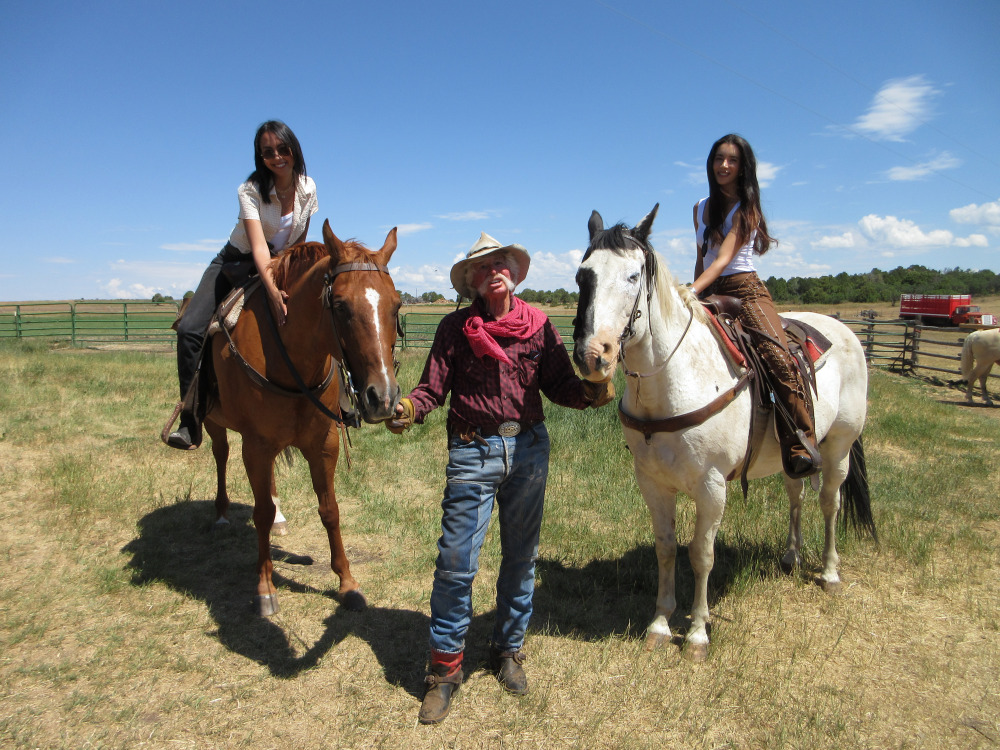
West of Telluride’s gondolas and second homes, Thomas Alta “Roudy” Roudebush remains a link to the older ranching culture of the region. Roudy arrived from Wisconsin in 1970, when, he says, a Sheridan Hotel room cost a dollar a day. He heard there were no jobs, but came anyway.
More than five decades later, he lives with his horses and runs Telluride Horseback Adventures. The drive to Roudy’s place feels like leaving one Telluride for another: ski lifts and hotels give way to hayfields, cattle, and ranchland, the San Juan Mountains silent in the distance.
Our ride followed trails through scrub oak and open fields, the horses moving with confidence and ease. Roudy rode alongside us, talking almost constantly – part trail guide, part historian, part comedian – with stories about the people who built lives here long before the second homes arrived. He described early residents as “outlaws” – miners, lift workers, road crews, and cowboys who arrived with little money. They worked when work appeared and gathered in the same bars.
Today’s Telluride is wealthier and seasonal. Some residents divide the year between Colorado and their homes in Texas, California, or Florida. Roudy’s crowd had fewer possessions and looser plans, but both came for outdoor adventure. In earlier years, he would ride his horse into the Sheridan Bar “to sell the sizzle,” Roudy said. Visitors followed him outside and often booked a trail ride. Cowboy marketing at its finest.