
A Hail Mary Victory
|
Getting your Trinity Audio player ready...
|
Coral Gables Wins a Key Zoning Battle
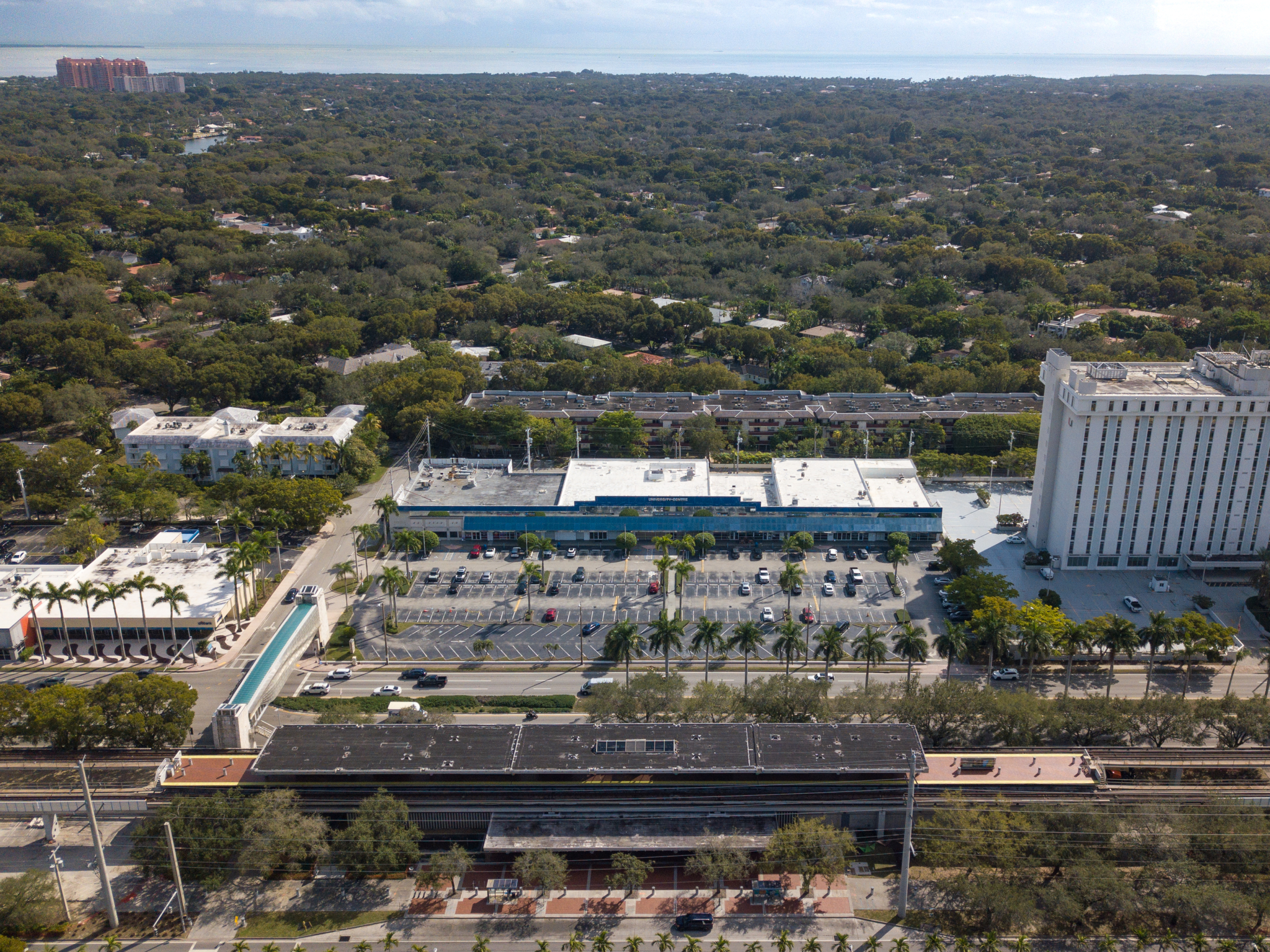
Miami-Dade County’s Rapid Transit Zone (RTZ) in Coral Gables has been the talk of the town lately, with the city slated to become home to a large, new RTZ development right across from the University Metrorail station. After much drama, the city made a Hail Mary attempt at keeping the project – and other future RTZ developments – within Coral Gables’ control, rather than the county’s. It was a last-minute effort spearheaded by Mayor Vince Lago, who negotiated with both the developer and County Commissioner Raquel Regalado to forestall what could have been an aesthetic and financial calamity for the city.
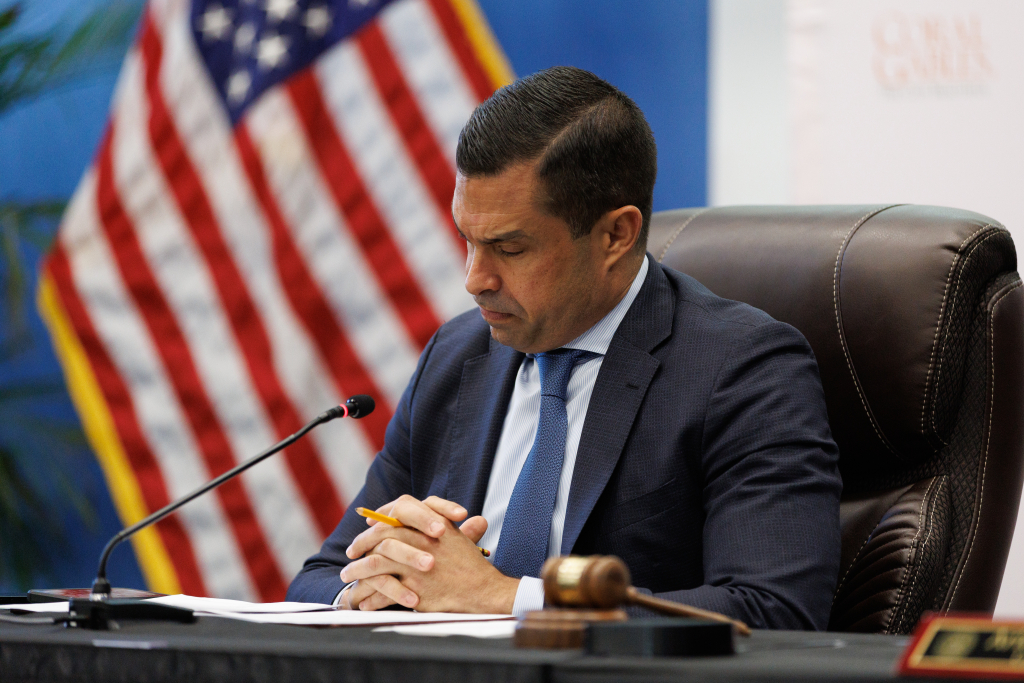
“I really thought this ship had sailed,” said a relieved Vice Mayor Rhonda Anderson, who voted with a majority of her colleagues to approve a new plan for the area at the first City Commission meeting in January. She credited City Manager Peter Iglesias for “steering the ship, turning it around, and bringing it back to our city” with his work on a new zoning overlay for the parcel in question.
The basis for the crisis was the county’s Rapid Transit Zone ordinance, which now allows Miami-Dade to control zoning within a quarter-mile of any Metrorail station. The idea is to give it the power to up-zone these rapid transit hubs, so that denser housing can be built for workers using the Metrorail to reach their jobs. For Coral Gables, that means overriding the city’s design standards, and letting developers avoid its stricter codes.
The Hail Mary solution was to create the city’s own RTZ-esque project: the University Station Rapid Transit District Overlay. On January 13, the City Commission voted 4-1 to approve that plan, the culmination of weeks’ worth of work, during which Iglesias planned the overlay and Lago negotiated with the first developers planning to build a mixed-use project within the zone.
“This is what happens when you negotiate in good faith,” he said. Under the city’s overlay, the new project will have to adhere to Mediterranean-style design standards and will need the Board of Architects’ approval. It will have larger setbacks than the original plan, in exchange for height variations, and gives the city control over things like signage, parking and retail appearance. Of equal importance is that the city does not lose permitting and impact fees that would have gone to the county rather than the city. “We are talking about millions and millions of dollars that would have been lost,” said Mayor Lago.
The only vote against the plan was Commissioner Melissa Castro. In previous meetings, Castro seemed skeptical of what the city’s overlay could achieve, despite much explanation from her colleagues and a 6-0 approval vote from the city’s Planning and Zoning Board.
“We don’t have control with the RTZ,” said Lago, to explain the necessity of the plan. Developers “can just go to the county, go the RTZ route, and avoid having to go [with] our standards.” There is no doubt that the Landmark Group, the developers in question – who have been pursuing this project since the latest RTZ regulations went into effect in 2023 – would have gone the “big box” county route if the Commission had voted against the new overlay plan.
Commissioner Richard Lara went even further, telling Castro, “Your vote on this item, to me, smacks of your support for further home rule erosion. You’re in furtherance of the RTZ, likely in furtherance of Live Local. What over-development looks like today is what a ‘no’ vote is encouraging.”


THE DEVELOPMENT SITE OPPOSITE THE UNIVERSITY METRORAIL STATION