
Living Longer (and Healthier) in the Gables
|
Getting your Trinity Audio player ready...
|
A look at Some Local Clinic’s Offering to Extend Longevity
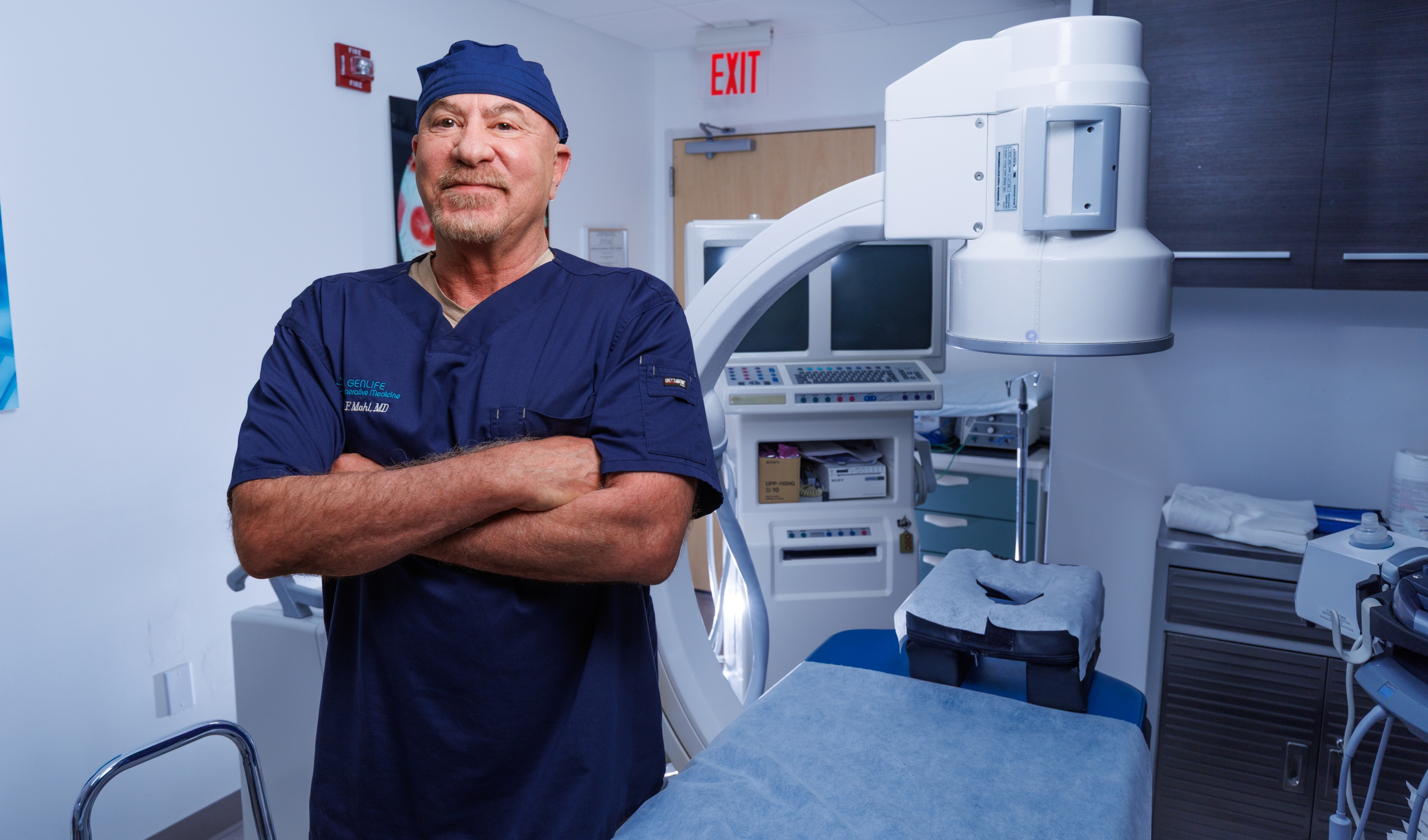
There are few among us who would refuse a few extra years of life – so long as they are healthy years. No one wants to suffer with a debilitating disease, which is why the medical profession now focuses so much on preventative medicine. “Living longer comes down to a number of things, but a fundamental part of it is avoiding the diseases of aging,” says Dr. Charles Mahl, a highly credentialed MD who runs a regenerative and orthopedic practice in the Coral Gables Medical Center.
A lot of the noise about extending healthy lifespans (read as “health spans”) comes under the heading of anti-aging, now a multi-billion-dollar industry in the U.S. ($14 billion in products last year alone, $92 billion in services by 2030). While a few practitioners make claims of age-reversal, for the most part the therapies (and counselling) offered are about maintaining health – and youthful vigor – as we age.
The idea that we can all live longer, healthier lives went mainstream after the book “The Blue Zones” was published in 2008. It looked at a half dozen places around the world where most folks in their communities lived to 100 or beyond. “What they found were commonalities, like they had mostly fresh vegetarian diets, they exercised a lot, they had close social bonds, they avoided stress, things like that,” says Mahl. “So, part one of anti-aging is lifestyle – eating well, staying active and engaged, not smoking or drinking.”
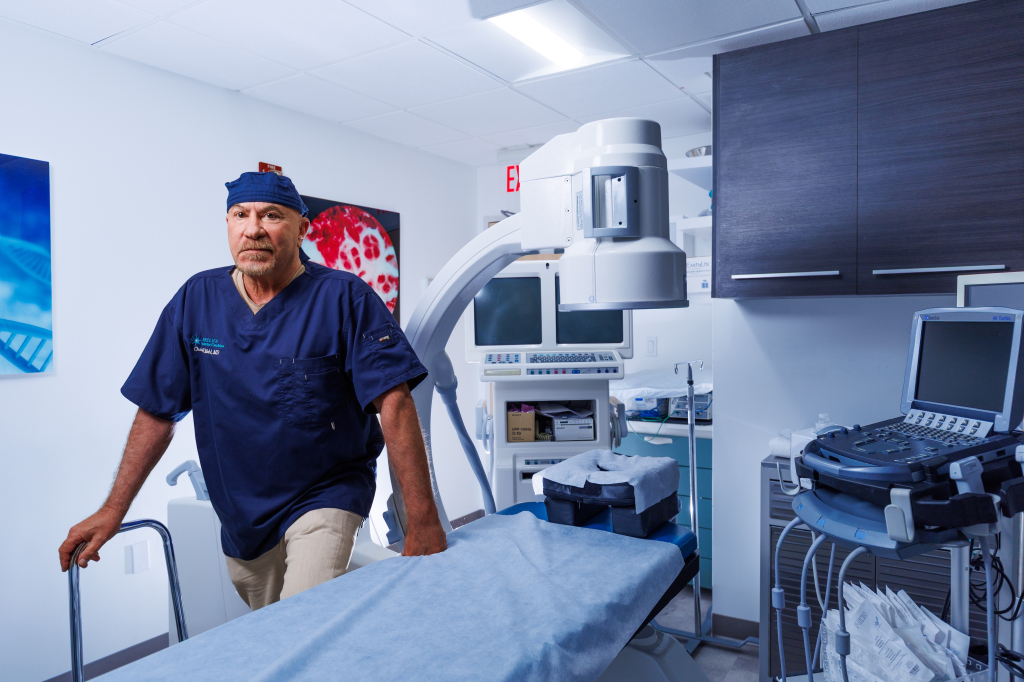
Part two of the anti-aging formula is the panoply of extra therapies designed to help extend health span, and Coral Gables has no shortage of wellness centers, longevity spas, and regenerative clinics ready to offer services just for that. The GenLife Regenerative Medicine Center of Dr. Mahl (who is the outgoing president of the American Academy of Orthopedic Medicine) offers stem cell injections that dramatically reduce inflammation in joints, overcoming arthritic conditions that impede free movement. That is critical because of enormous evidence that daily exercise extends health span dramatically. As actor Dick Van Dyke, now 100 years old, says, “Just keep moving!”
Dr. Mahl is also able to use stem cells more effectively today thanks to recent legislation in Florida that permits the use of what is called Wharton’s Jelly, a connective tissue lining the umbilical cord that is rich in highly potent stem cells.
Other therapies are available at Hydrology, a wellness center at the THesis Hotel on U.S.-1 that emphasizes ways to increase oxygen supply in the body, both to the blood and the internal organs, for rejuvenation and repair of muscular damage. They offer hyperbaric chambers, red light rooms, and cryogenic immersion – where the body is briefly exposed to extremely low temperatures, so that blood flows inward to the organs. All are part of a larger toolbox aimed at helping the body function the way it used to. Some people turn to hyperbaric oxygen sessions or red-light therapy to boost circulation and reduce inflammation; others swear by quick stints in cryotherapy chambers for an energy lift.


Hydrology also offers IV drips that deliver vitamins straight into the bloodstream, while peptides – simple amino-acid chains – can be ingested to help with everything from sleep to recovery. And then there’s hormone optimization, one of the earliest longevity tools, in which testosterone or estrogen is ingested or injected to restore levels that naturally dip with age. Altogether, they form a modern approach to feeling better, longer.
“We consider Hydrology a longevity and performance-wellness clinic rather than a traditional anti-aging center,” says Dr. Alexander Zuriarrain, MD, the plastic surgeon who founded Hydrology. “The term anti-aging can sometimes imply reversing the natural aging process, which is neither realistic nor the true goal. What we aim to do is optimize the way people age, supporting cellular health, hormone balance, metabolic function, and overall resilience.” The aim, says Zuriarrain, is to help patients maintain energy, strength, and quality of life for as long as possible.
Across town, Cenegenics – one of the earliest national longevity practices – has built its reputation on comprehensive biomarker testing and hormone replacement therapy. Dr. Lloyd Camper, who opened the Coral Gables location two years ago, explains that the field has evolved significantly from its early days. “It was previously called anti-aging, and before anything else, it was mainly hormone replacement therapy. Cenegenics really started that in the 1990s, when it was very stigmatized.”
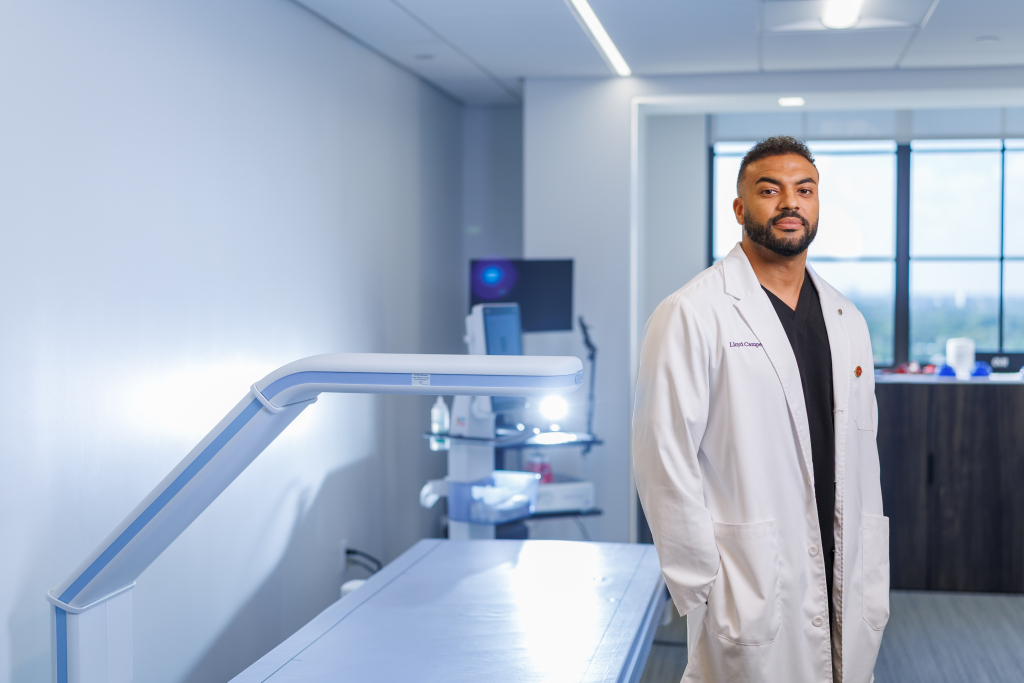
Dr. Lloyd Camper, Founder of Cenegenics
Camper describes how the pandemic changed public attitudes. “COVID hit the whole world in a different way. People who didn’t feel any urgency in taking care of their health suddenly realized health is much more important than they used to think it was.” As a result, he says, “the approach now is a much more proactive version.” A Gallup poll last year found that nearly half of American adults now actively track at least one biometric, from sleep to heart rate.
For Camper, longevity is ultimately about quality of life. “It is about the feeling-good approach – what we call the quality of life, or health span versus lifespan. From a traditional medical approach, if we can keep you alive for 200 years, are you really alive?” He acknowledges that some in the industry discuss age reversal, but he is measured in his interpretation: “If you define regenerative or reversing aging in terms of quality of life, if we’re able to improve your mobility or cognitive attention, then yes, we’ve technically reversed aging.”
Building for Longevity
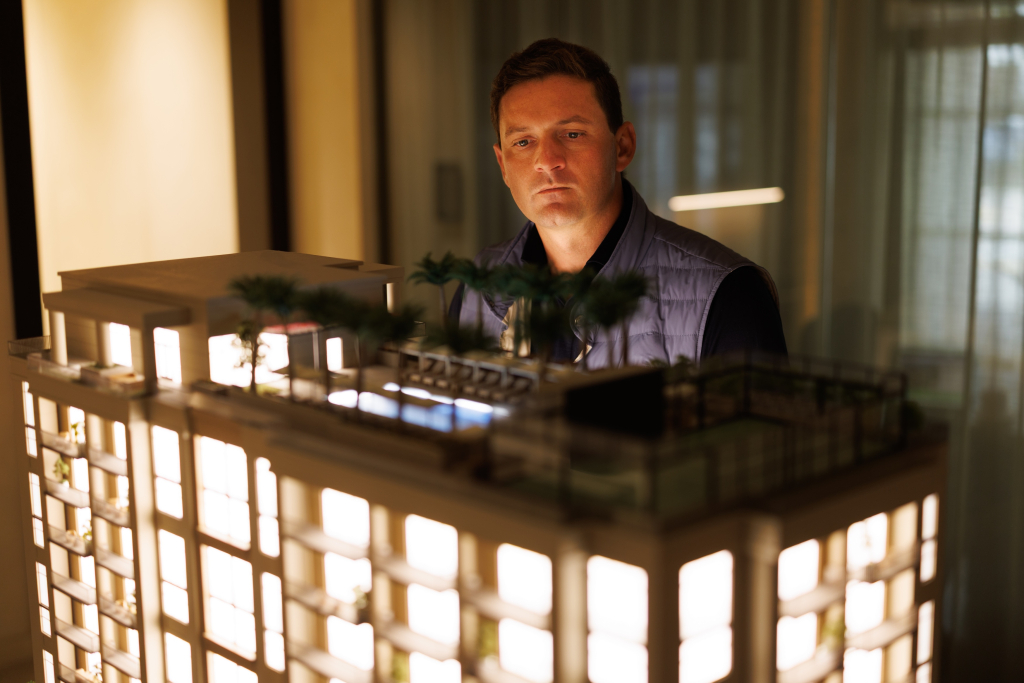
Knowing that a big part of how long and how well we live depends on our environment – things like air and water pollution, as well as electromagnetic frequencies from radio waves and cell towers – one of the Gables’ newest projects is designed with longevity in mind. Cora, an innovative residential mid-rise adjacent to the Shops at Merrick Park, has been designed to create an environment of wellness.
Among other things, it will incorporate advanced air and water filtration systems to ensure high indoor quality. The building will be constructed with natural, non-toxic materials. Smart wellness technology, including red light therapy panels and health monitoring systems, will be integrated into living spaces. Public spaces will have calming water features and circadian lighting to mimic the sun’s cycles. And all rooms will have “Faraday Cage” metals in the walls to block electromagnetic interference.
Cora is being developed by the Constellation Group in partnership with the Boschetti Group, with 74 residences, and will be one of the first WELL Certified residential buildings in the Gables. “At CORA, our mission is to fuse wellness into all aspects of the project’s DNA – ultimately enhancing health, longevity, and well-being without disrupting daily life,” says Eduardo Otaola, managing principal at Constellation Group. Natural- ly, because exercise is an inherent part of wellness, the building will also house a swimming pool and padel court, along with steam rooms, sauna, and hot and cold plunge pools. It will also provide a trained “wellness concierge” to assist residents in maximizing these features.
And it doesn’t hurt that the wellness aspects of the buildings are designed by Otaola’s wife Mayra and her Spanish firm Lamarc, which creates longevity spaces – including biophilic design of lushly landscaped paths and stairways, “meant to keep you active, keep you moving, and reduce your stress levels,” says Otaloa. – J.P. Faber
Demographics are also shifting. “We used to average 50 years old, and now we’re averaging more of a 40 range,” says Camper, though he increasingly sees patients in their 20s who want baseline biomarkers. Nationally, millennials are driving demand for longevity services, influenced by social media “biohacking” culture and rising interest in preventative care.
“It’s the younger guys that I see in my practice,” says Dr. Mahl, “not the 70-year-olds coming in who want to live forever. It’s the guys in their 40s and 50s who are trying to evade their normal lifespan.” Says Hugo Campo, manager at Hydrology: “Younger adults often come for prevention, boosting immunity, enhancing performance, improving skin and physique, and investing early in longevity. This demographic is increasingly proactive and views wellness as a long-term strategy, not a reaction to illness.”
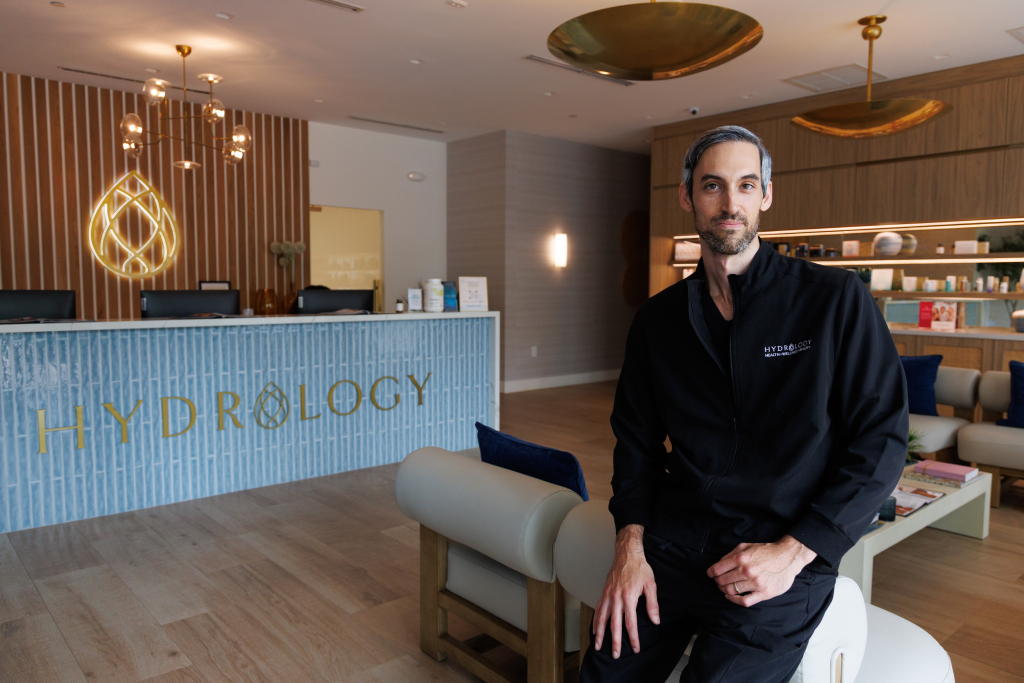
Hugo Campo, Manager at Hydrology
Gentera, located in the 550 Building on Biltmore way, approaches longevity through precision diagnostics and concierge-style preventative care. The practice combines extensive bloodwork, lifestyle analysis, peptide therapy, hormone optimization, and regenerative treatments, including exosomes and full-body MRI screenings through a partnership with Prenuvo.
“We’re trying to identify deficiencies but also meet your health goals,” says founder and CEO Brian Pla. “And they’re not always synonymous.” He emphasizes the importance of mindset: “Are you willing to make significant lifestyle changes? This is a marathon, not a sprint.”
Pla entered the industry as a patient himself and credits regenerative medicine with reshaping his own health outlook. His philosophy centers on root-cause analysis. “We’re trying to under- stand where the source of the fire is,” he says. “Symptoms are just the way a condition manifests.”
Inflammation, he explains, is a major driver. “If you’re able to bring down inflammation at the cellular and systemic level, that helps slow down the biological clock.” Gentera measures biological and chronological aging using epigenetic testing and telomere analysis. “If we can bring your biological aging rate down,” he says, “that is the idea.”
While Gentera targets highly personalized, data-heavy treatment, Relive Health, which opened its Coral Gables location last fall, aims to bring longevity services to a broader population. President of Relive, Jay Wagnon, who spent decades in fitness franchising, entered the field as a patient. “I myself am a consumer of hormone replacement therapy and saw the benefits for me,” he says.


Left: At Relive Health in Coral Gables, a Patient Undergoes IV Drip Therapy
Right: Light Therapy
Relive divides its services into wellness and medical aesthetics, with a focus on curated plans. Every patient starts with a comprehensive blood panel and consultation. Offerings include hormone therapy, peptide programs, IV drips, ozone therapy, NAD, methylene blue, and microneedling with exosomes. “We want to improve health span – the years spent on a quality, productive life,” he explains.
Relive’s philosophy is straightforward: “Feeling better and looking better go hand in hand.” The demographic range is equally broad, Wagnon says, from individuals solely seeking weight loss to those looking for improved clarity, energy, or aesthetic confidence. “People come to us for different reasons and then migrate to other therapies,” he says.
Meanwhile, VidaVital takes an intensive internal approach to aging, focusing almost entirely on physiological function rather than cosmetic enhancements. “We do not do cosmetic treatments,” says the clinic’s president, Justin Pulliam. They offer internal medicine for anti-aging through the use of peptides, exosomes, and custom-made supplements that help the body use hormones better.
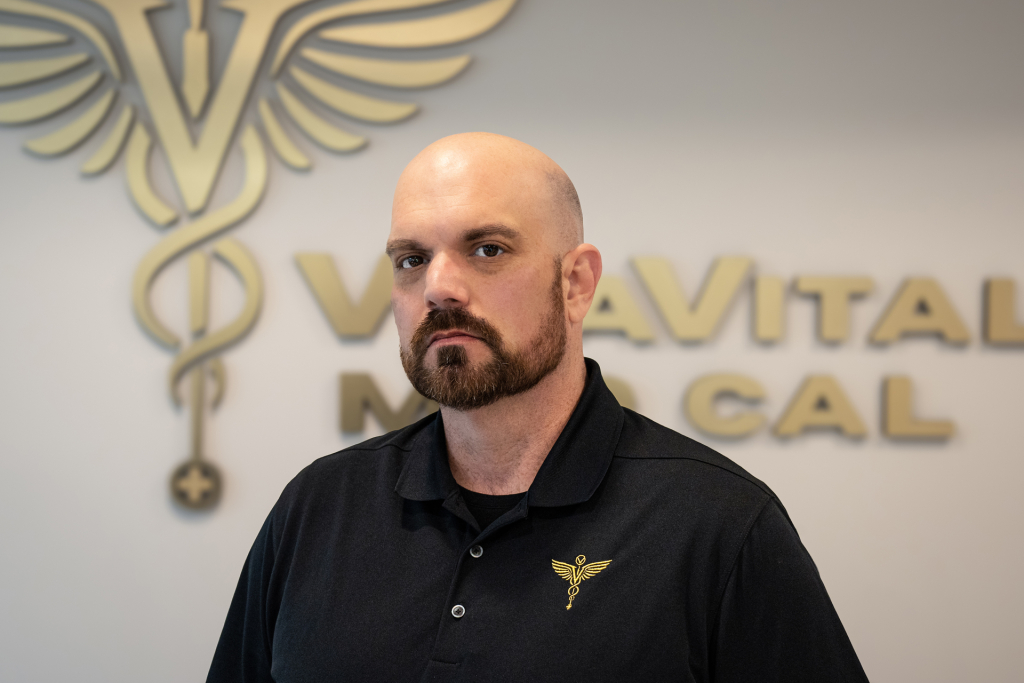
“There’s no reason you shouldn’t feel like you’re in your 30s until the moment you pass away,” Pulliam says. He describes the symptoms they address: “For women, it’s mood swings, weight gain, hot flashes, a drop in libido, hair loss. For men, it’s fatigue, weakness, low libido, erectile dysfunction. These are all things we can bring back.” Their protocols rely heavily on bioidentical hormones.
VidaVital underscores that longevity requires consistency. “As soon as people stop, the symptoms come back. It’s a lifestyle thing,” Pulliam says.
Meanwhile, new therapies are ready to emerge. Dr. Mahl is planning to launch a research project next year for Therapeutic Plasma Transfer, based on research at Harvard showing that the plasma of young people is loaded with a complex array of amino acids, exosomes, and hormones that keep them young. Early experiments show that transferring the plasma of young people into the elderly dramatically rejuvenates them.
Regardless of specific therapies, across all these clinics a shared idea emerges: aging may be inevitable, but how we experience it is not. Coral Gables, with its wellness culture and educated clientele, has become fertile ground for a new, preventative model of health. Whether through oxygen, hormones, peptides, stem cells, biomarker tracking, or regenerative medicine, these practices aim to extend the years in which people feel mentally sharp, physically capable, and fully themselves.
In this rapidly expanding field, longevity is less about chasing eternal youth and more about cultivating vitality. As these clinics see it, health span – the years in which one feels good, functional, and connected – is the real measure worth extending.
“Anti-aging is another name for healthy aging,” says Dr. Mahl. “There’s really no such thing as anti-aging, but you can slow down the aging process. The goal is really to live as long as you can, having all your faculties, physically and emotionally and mentally.”