

Innovation In Coral Gables
|
Getting your Trinity Audio player ready...
|
A Look At What’s New In: Transportation Healthcare Civic Technology Sustainability Young Innovators Education Preservation
TRANSPORTATION
Innovation in transportation is mostly about micro-transit, with short-distance mobility options that free users from using their cars. In the Gables, there are also innovations in traffic calming – and a futuristic mobility hub now in the early stages of development.
FREEBEE
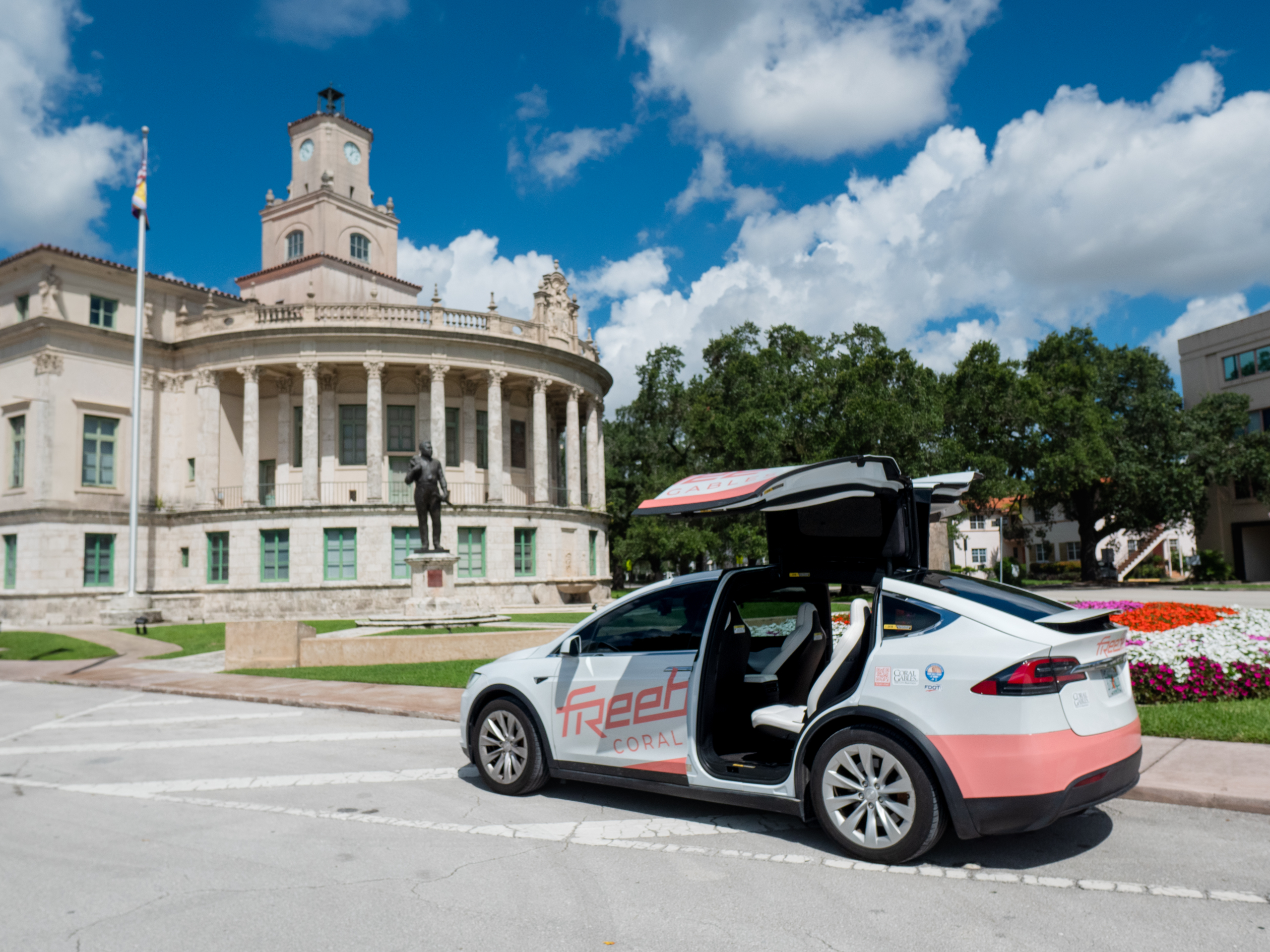
This free downtown service started as electric golf carts carrying advertising, but has since upgraded to Tesla EVs that are funded by the city. Freebees are available to anyone who downloads the RideFreeBee app and typically arrive within 10 minutes. They are used by everyone from CEOs going to meetings to elderly residents who use them to help carry their groceries home. Currently, there are five Freebee cars operating in the city, which last year provided 80,000 rides in the Gables. They also promote economic development, with local retailers promoting their locations and wares on the app and sometimes even on the cars.
THE MOBILITY HUB
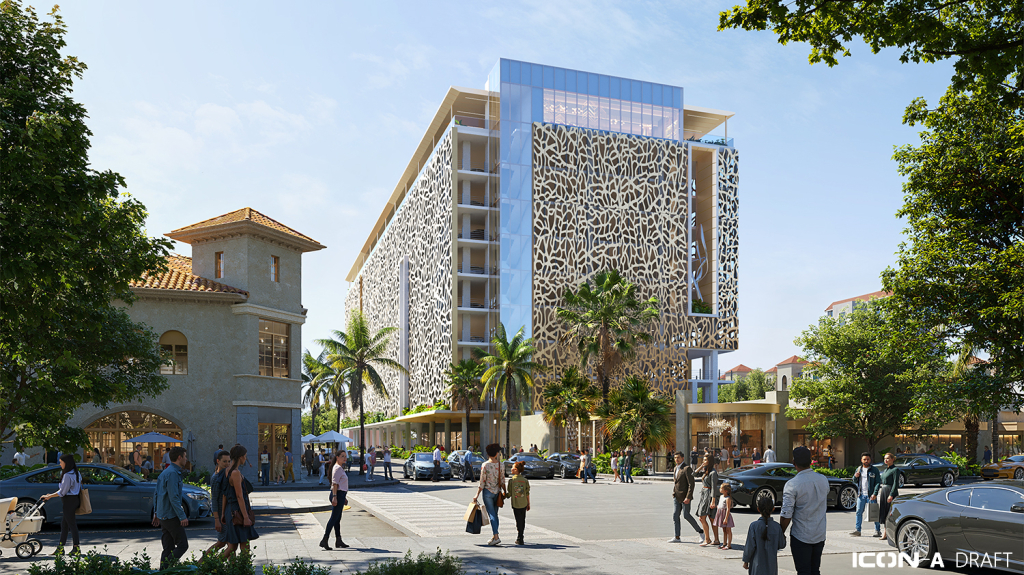
On the drawing board for years, controversial due to its initially futuristic design, the Mobility Hub is now slated to replace the old parking garage behind the Miracle Theatre (245 Andalusia Ave.) with a “Carved by Nature” design. The roughly $60 million multi-modal facility is intended to be a forward-looking hub that will integrate and interconnect all elements of transportation in the city, from scooters and bicycles to cars, trolleys, and Freebees, with electric vehicle charging stations and even drone-delivery infrastructure.
TROLLEYS
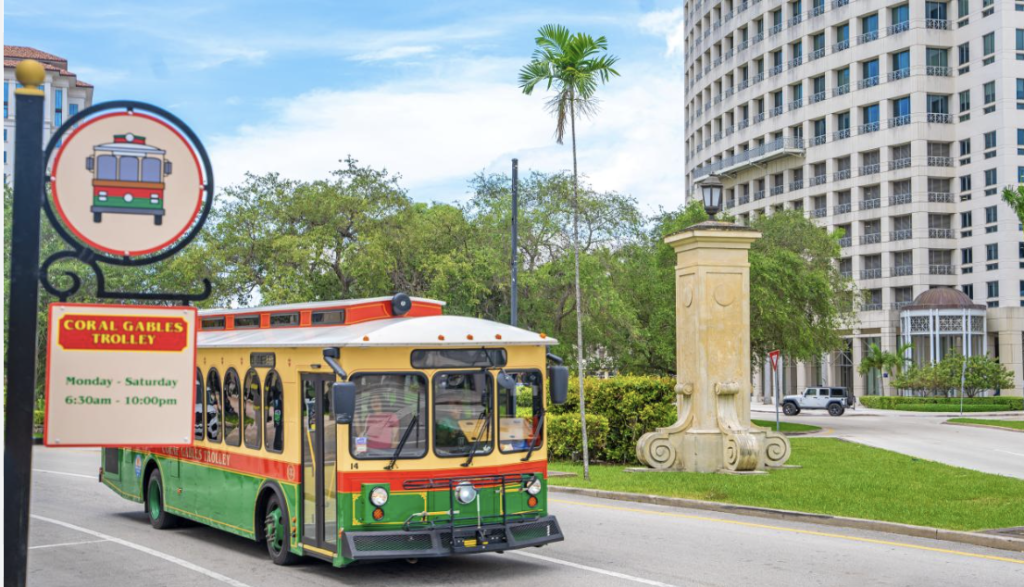
You might think of trolleys as a throwback to the early 1900s, when they dominated public transit in places like San Francisco and New Orleans. Well, all that is old is new again, with those in the Gables powered by electric motors. They run the length of Ponce de Leon, including the east-west route of Ponce that parallels U.S.-1 on the way to UM. Hours are 6:30 am to 10 pm Monday through Saturday, stopping at each trolley sign every 10 to 15 minutes. Real-time tracking is available on the trolley tracker website or via the city’s trolley app.
SCOOTERS
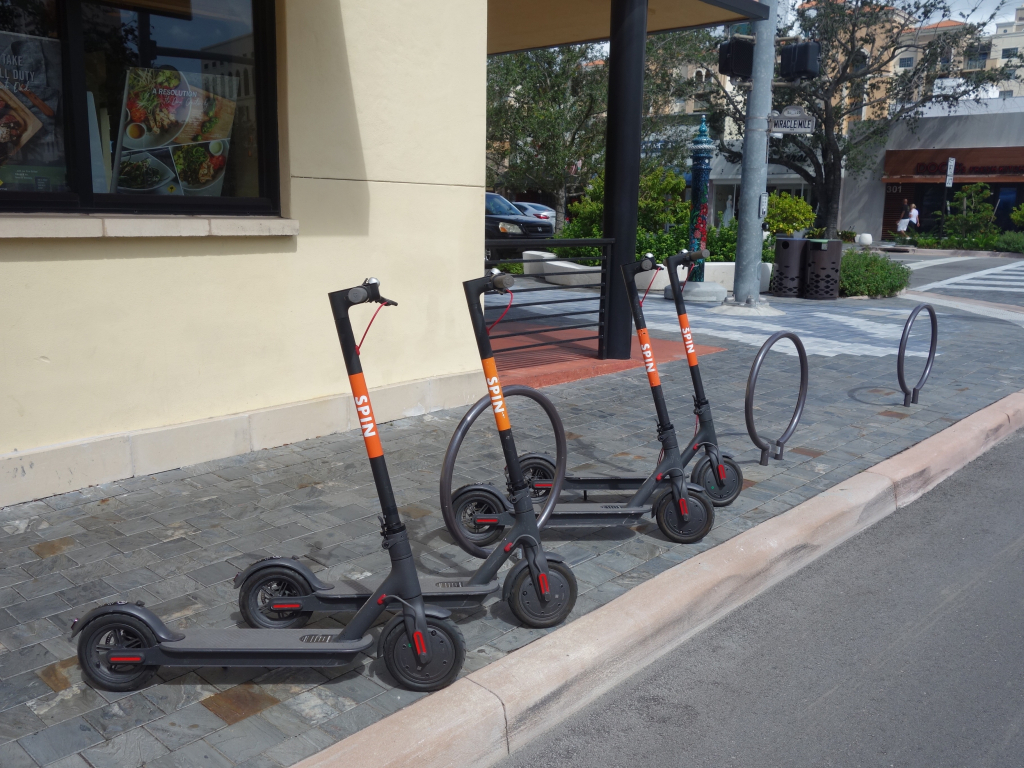
Electric scooters are available at random locations around the downtown and the Merrick Park district. Two companies, Spin and Bird, provide some 200 of these micromobility devices, typically charging $1 to unlock plus about 15 to 39 cents per minute to ride. The speed is capped at 15 mph, and they are not allowed on Miracle Mile or Ponce de Leon Blvd., but they can be dropped anywhere (at night they are collected are recharged). Last year, there were 180,000 scooter trips in the Gables.
WAYMO
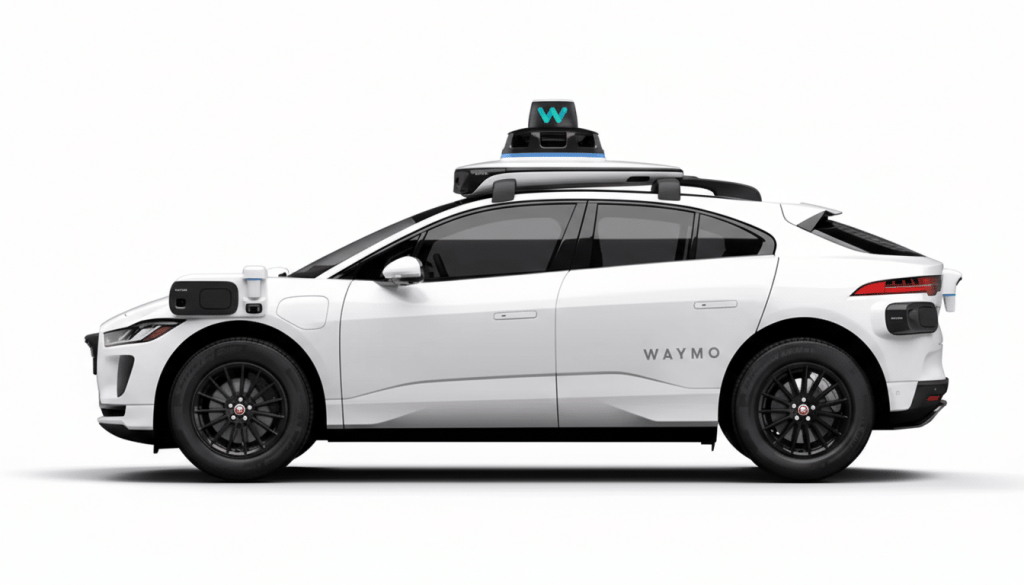
Yes, driverless cars have arrived in the City Beautiful. Self-driving cars in the form of Waymo’s driverless rideshare vehicles can now be used throughout Miami, including in Coral Gables, often for reduced fares compared to other rideshare apps with human drivers. Waymo claims its AI-powered vehicles are safer by ten-fold than human- driven cars, but only time will tell. It currently operates within a 60-square-mile radius in Miami, so you can travel anywhere from the Design District to Brickell, but not yet to Miami International Airport. New riders can download the app and apply to join.
HEALTHCARE
The pace of progress in healthcare has become breathless. Part of that progress comes from a better understanding of how nutrition and exercise enhance wellness. But when it comes to real medical innovation, technology is leading the way
NICKLAUS CHILDREN’S HOSPITAL
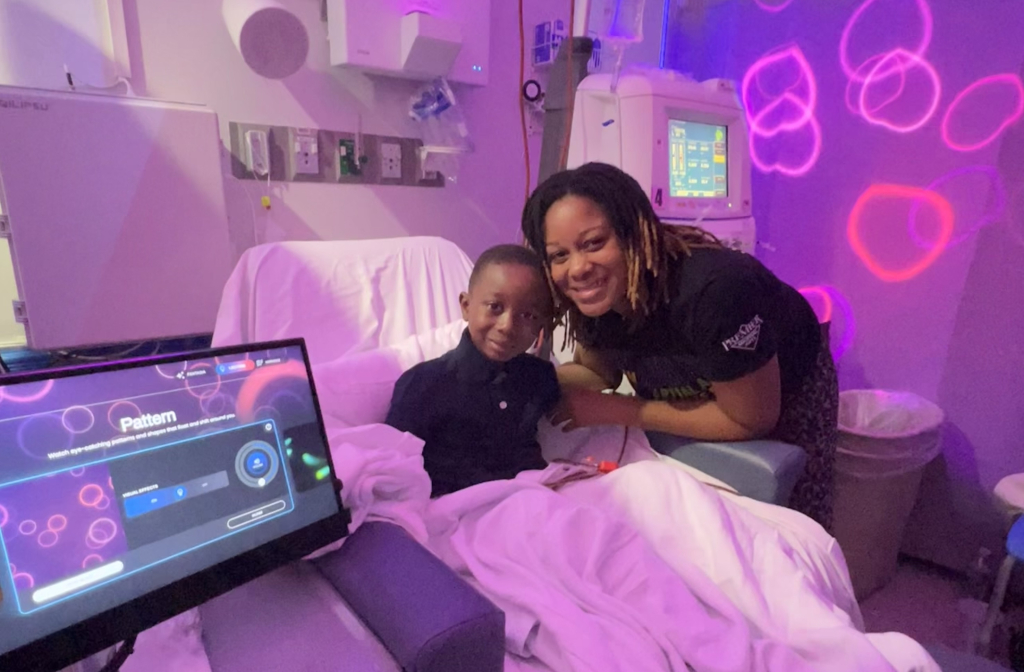
Located just six blocks from the western edge of Coral Gables, Nicklaus Children’s Hospital is a world leader in innovative ways of reducing anxiety in children. Their virtual reality BEAR program is now five years old, reducing anxiety, fear, and perceived pain with immersive VR technology (i.e. headsets that create pleasant natural worlds). Now, Nicklaus is innovating with an Immersive Therapies program that uses lighting, sound, and projection mapping to offer audio-visual distractions for patients at point of care. One, shown here, uses pleasant, colorful floating lights to promote restorative sleep.
UHEALTH
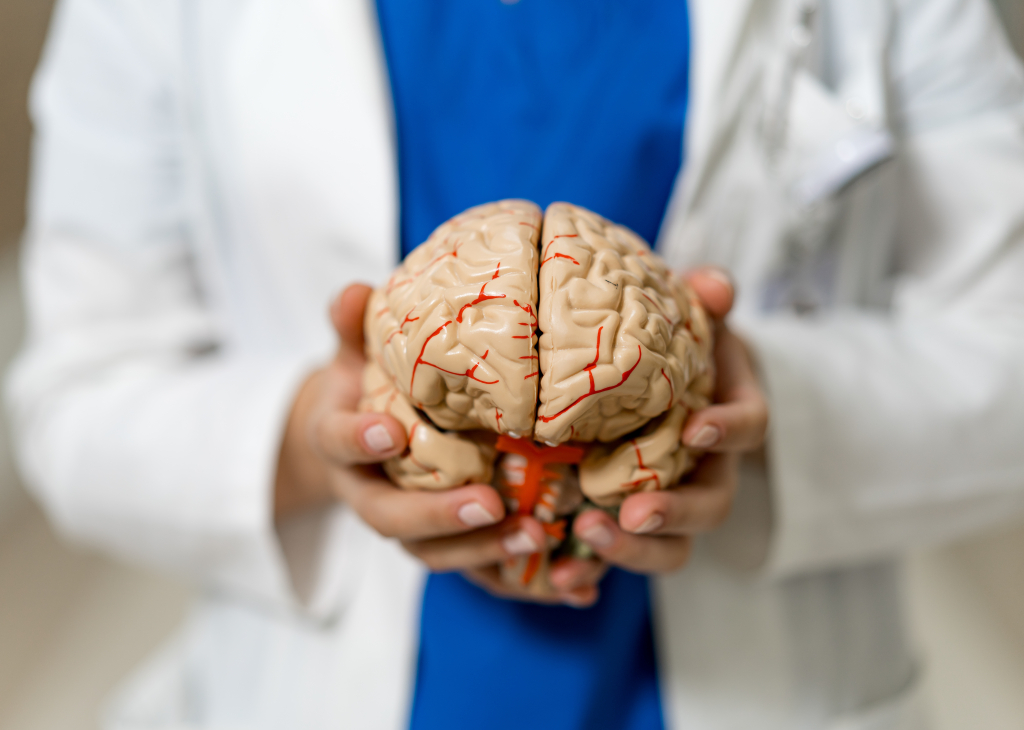
UM’s Sylvester Comprehensive Cancer Center decided to embrace innovation by creating Sylvester Innovates, a fund with an initial $1 million to invest in promising new ideas in oncology, experimental therapeutical, med tech, AI wearables, and diagnostics. In its first round, it has narrowed 40 proposals to 14 pitches for expert panels in science, tech transfer, and industry applications, resulting in five awards. The biggest ($500,000) went to a new technology that allows surgeons to create 360-degree models of brain tumors, which can then be eliminated with targeted lasers through a small opening in the skull.
BAPTIST HEALTH SOUTH FLORIDA
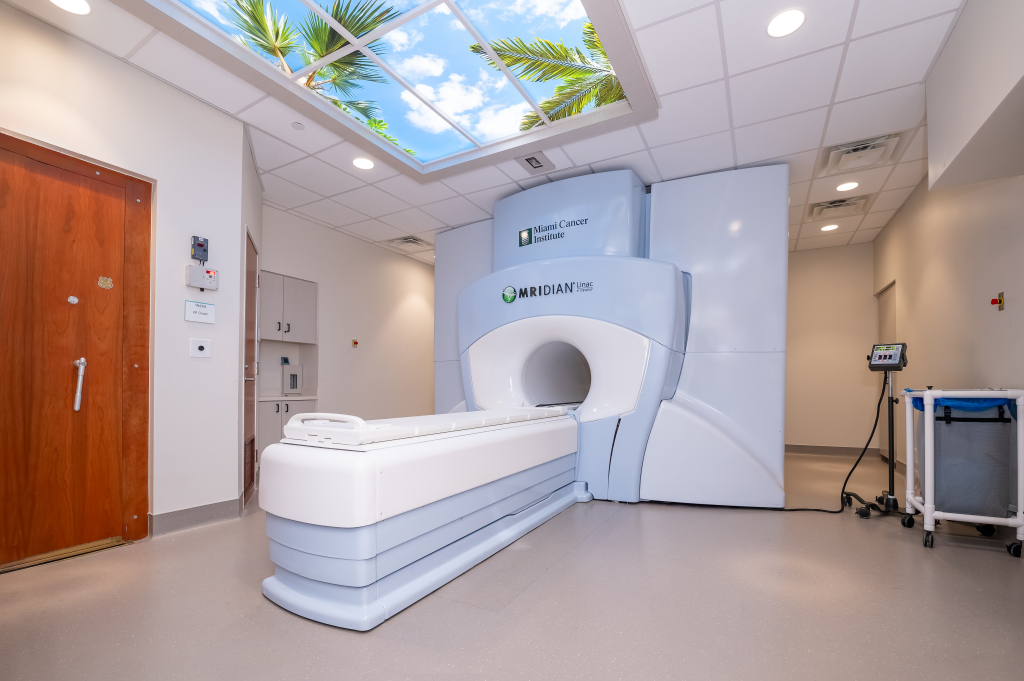
Coral Gables-headquartered Baptist is already renowned for its Miami Cancer Institute, with advanced robotic surgical capabilities and South Florida’s first proton therapy center. Now, Baptist has become a global leader in the use of accurate radiation therapy via the MRIdian Linac, a state-of-the-art system that pairs advanced MRI imaging with radiation treatment. The new tool allows doctors to attack cancer that develops in hard-to-reach spots, especially near vital organs, by giving radiation oncologists clear views of tumors. Baptist has also become a leader in research on best treatment techniques for the MRIdian Linac.
CORA
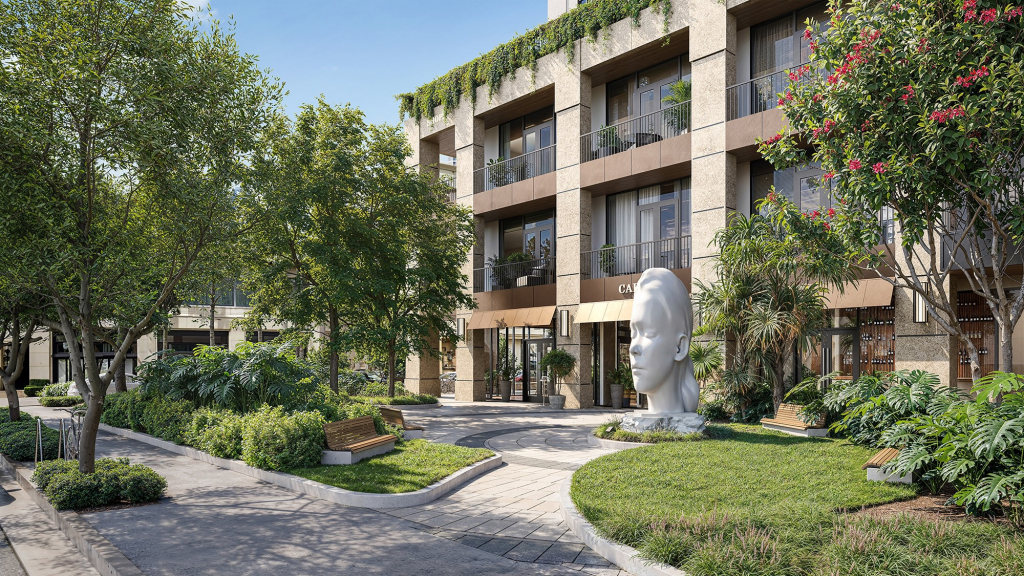
One trend in new condominium buildings in Coral Gables is wellness, where healthy elements are part of the construction. Leading the charge is CORA, a boutique condo development adjacent to Shops at Merrick Park. Among its many innovations (including air & water filtering and circadian lighting in public spaces) is special metallic layering within the walls of the units to shield residents from electromagnetic frequencies, which permeate human organs via everything from radio and television waves to cell phone and bluetooth transmissions. Even the emissions from the electric cords in the walls are shielded.
HIGH-TECH SPAS
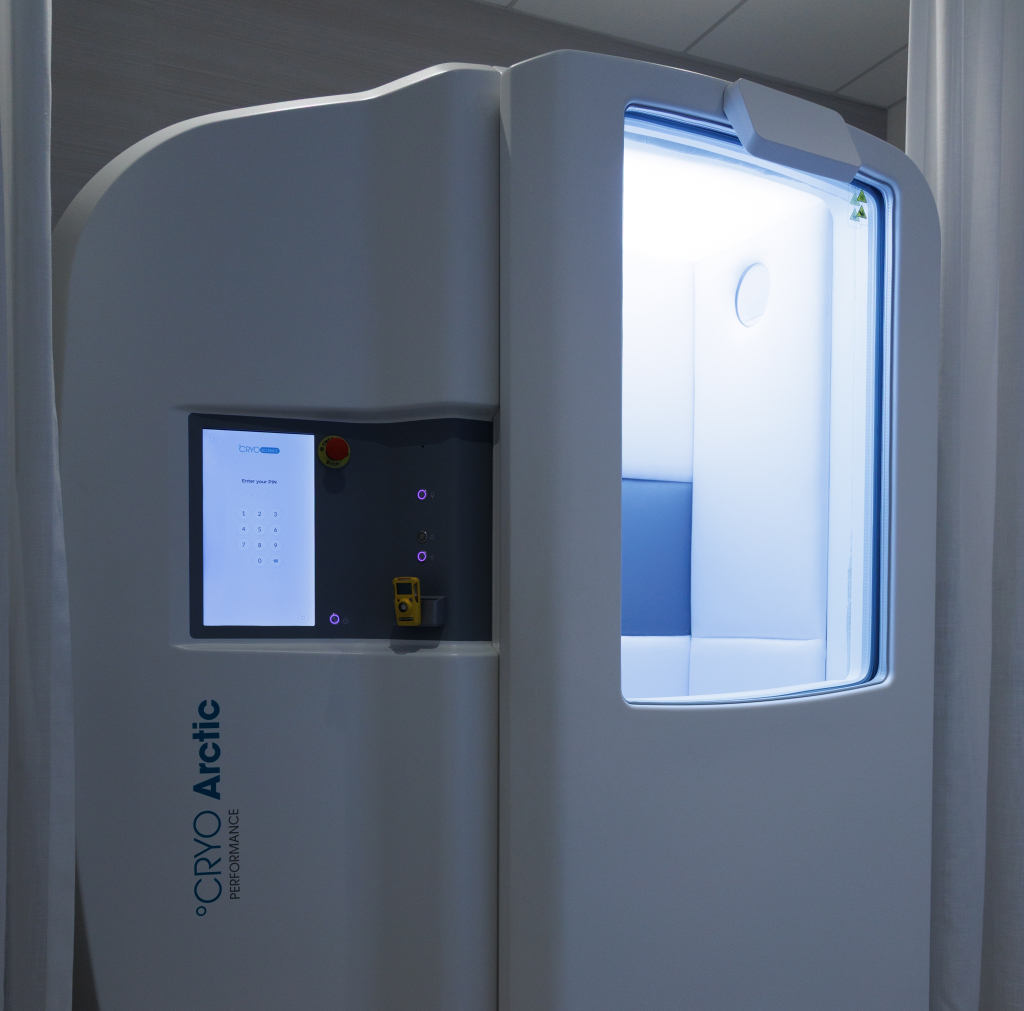
Coral Gables is now home to several health spas with hightech devices designed to rejuvenate and restore clients, using everything from a Tesla coil “bio-charger” at Let Go Stress (for energy and relaxation), to compression therapy at Pause Studio (for sore muscles), to hyperbaric chambers at Hydrology (for increased oxygen levels and wound healing). Cryotherapy (Hydrology’s device pictured here) is also offered at several spas. The idea is to suddenly lower the temperature in a controlled space to between minus 150- and 290-degrees Fahrenheit for two to three minutes. Blood rushes toward the internal organs, triggering anti-inflammatory and pain-relief responses.
YOUNG INNOVATORS
Looking to the future also means looking at the next generation, and what they will contribute. Here in the Gables, there is special attention paid to nurturing the next great innovators through various programs. Here are two.
THE SMART CITY LAB
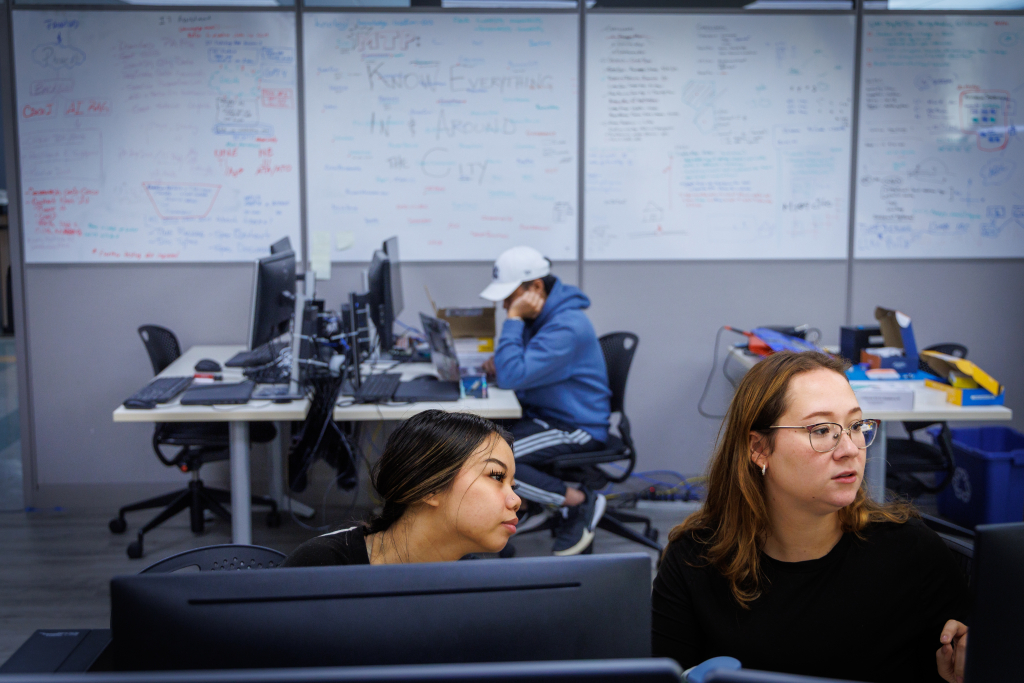
Inside the Coral Gables Public Works compound on SW 72nd Avenue, a small room filled with wires, sensors, laptops, and whiteboards is busy shaping the future of the city. This is the Coral Gables Smart City Lab, a workshop where students, engineers, and city staff experiment with technology to solve real problems for residents. The lab’s mission is simple: come up with practical tools that make city services faster, cheaper, and smarter. Instead of relying solely on outside vendors, the city’s technology team works with student interns to build solutions in-house, testing prototypes for use across the Gables.
“We built this over a number of years,” says lab director Mark Hebert. “And now they [city staff] come to us. It’s like, if you build it, they will come.” According to Hebert, the city’s experimentation with student interns began decades ago, almost by accident. A Miami-Dade County School Board program introduced Coral Gables to high school interns who worked in city departments for short periods during the school year.
“Kathy Swanson was city manager. She was contacted by the Miami-Dade County School Board, and they had a program called an honors and executive internship for high schoolers,” Hebert explains. “That’s how we got introduced to the possibility of interns. They were such bright people that we got hooked,” he says. “We wanted to keep doing this.”
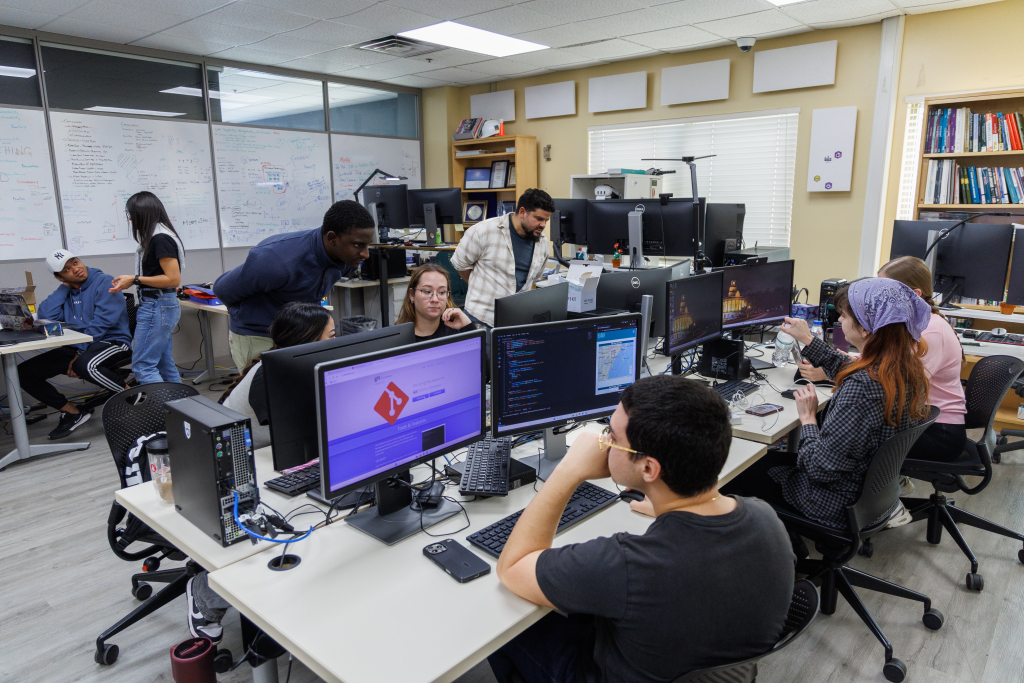
The city established the innovation lab roughly five years ago; its momentum has accelerated
recently as more students from local colleges have joined the program. “Last year, we suddenly started getting lots of interns from FIU and MDC in particular, and that has really changed the way we work,” says Hebert.
The lab typically has a dozen projects underway at once, many inspired by issues discussed at
City Commission meetings. Staff members and interns watch the meetings carefully, looking for opportunities where technology might help. “We hear whatever the residents or commissioners are talking about and try to make something,” says staffer Javier Fernandez.
One intern, Alejandro Ferrer, is developing a digital hurricane preparedness dashboard for the city’s emergency management team. The system allows city officials to log in and update information themselves. “It’ll show the [predicted] hurricane zones,” he says. “They don’t have to call IT.”
Another project focuses on improving pedestrian safety in the age of electric scooters. Interns Samantha Simmons and Annalise Martinez are building a prototype speed-detection system using sensors and a small computer board. “We’re working on this breadboard that has two sensors,” Simmons explains. “One sensor triggers and we wait for the next one to calculate the speed.” The technology could eventually monitor sidewalks and warn when scooters or bikes are moving too quickly.
Other projects are more administrative. One team built a system that creates mailing labels for public notices, allowing individual city departments to send notifications to residents without waiting for another department to generate the labels. The lab has also developed digital business cards for city employees, allowing people to tap a card against their phone and instantly open a city webpage.
For Hebert, the real value of the Smart City Lab isn’t just the technology. It’s the environment, a place where students learn by experimenting – prepping them for future IT careers – while the city gains fresh ideas. “Whatever you want to work on, you’re in,” he says. “Your skin is in the game – you invest in yourself.”
GROWING BEYOND EARTH
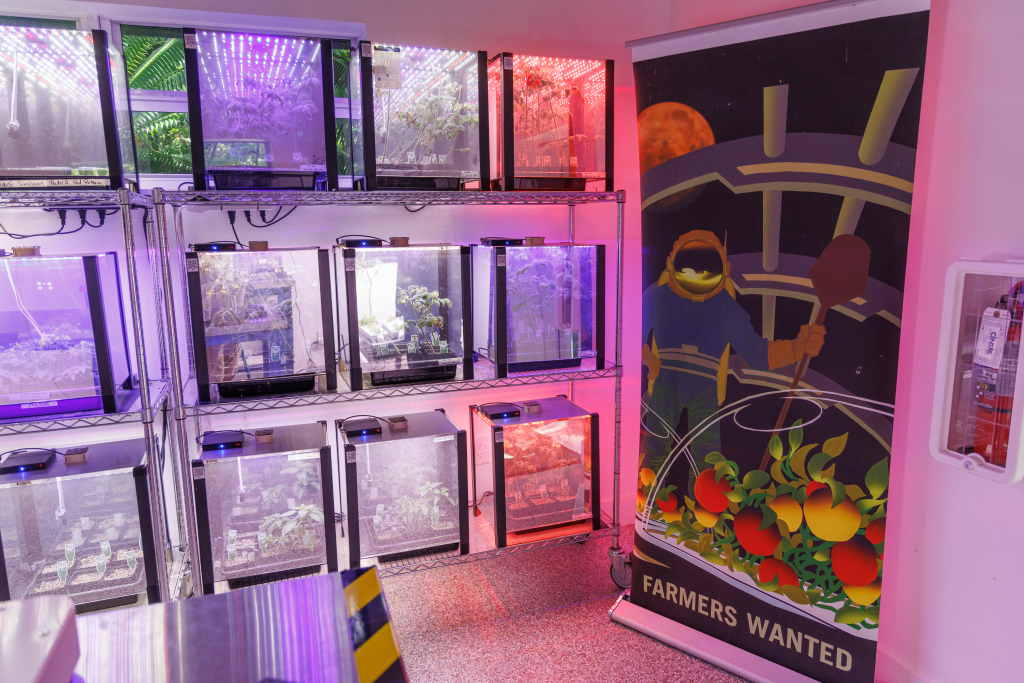
The location of the Innovation Studio is appropriate, inside a pair of renovated buildings beneath rainforest foliage at Fairchild Tropical Botanic Garden. There, high school students are helping answer one of humanity’s most ambitious questions: how to grow food beyond Earth.
The project began as a collaboration with NASA more than a decade ago, according to Amy Padolf, Fairchild’s director of education. Padolf has overseen the initiative as it expanded from a local experiment to a global student-research network, aiming to tackle the technological challenges behind growing plants in orbiting space stations or on the moon.
“We proposed to NASA that we build this Innovation Studio where we address those technology-of-food-production issues,” says Padolf. NASA ultimately funded the equipment, while local philanthropist Kendall Kennedy paid for renovating the facilities.
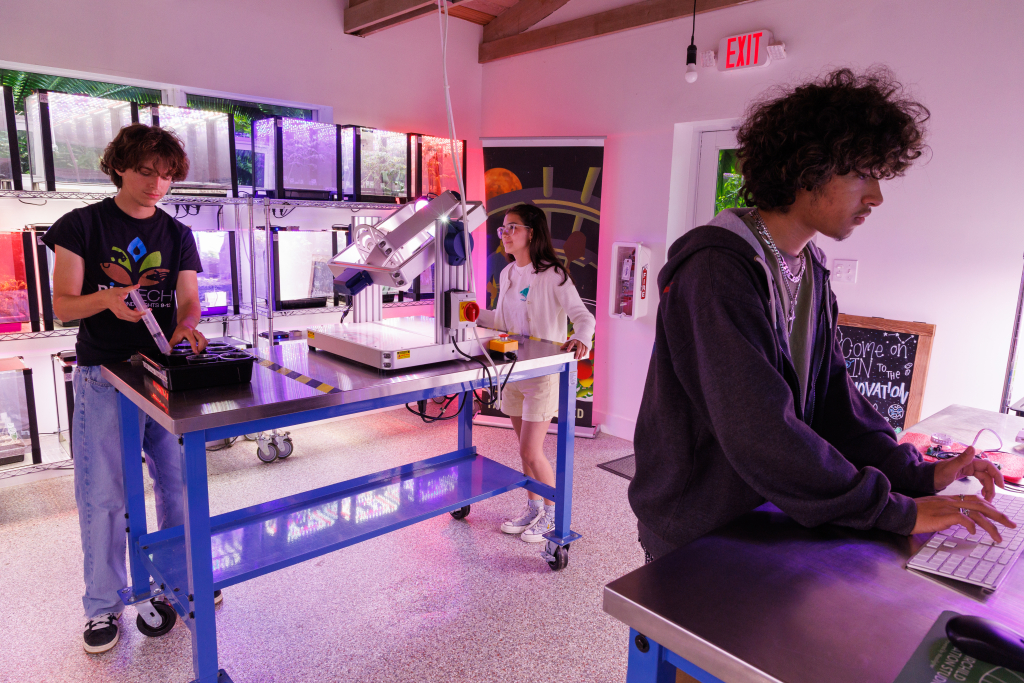
The result is a two-part research hub. On one side is a design lab filled with tools such as 3D printers and laser cutters used to develop new technology. On the other is the wet lab – the heart of the research – where students test edible plants under simulated space conditions.
The work feeds into a larger initiative called Growing Beyond Earth, a project coordinated with scientists at NASA’s Kennedy Space Center. Student researchers design growth chambers and sensor systems that collect environmental data such as temperature, humidity, carbon dioxide levels, and barometric pressure. “We’re developing all of the technology that helps automatically collect environmental data,” says Padolf. “And we’re building the equipment that we send out to schools.”
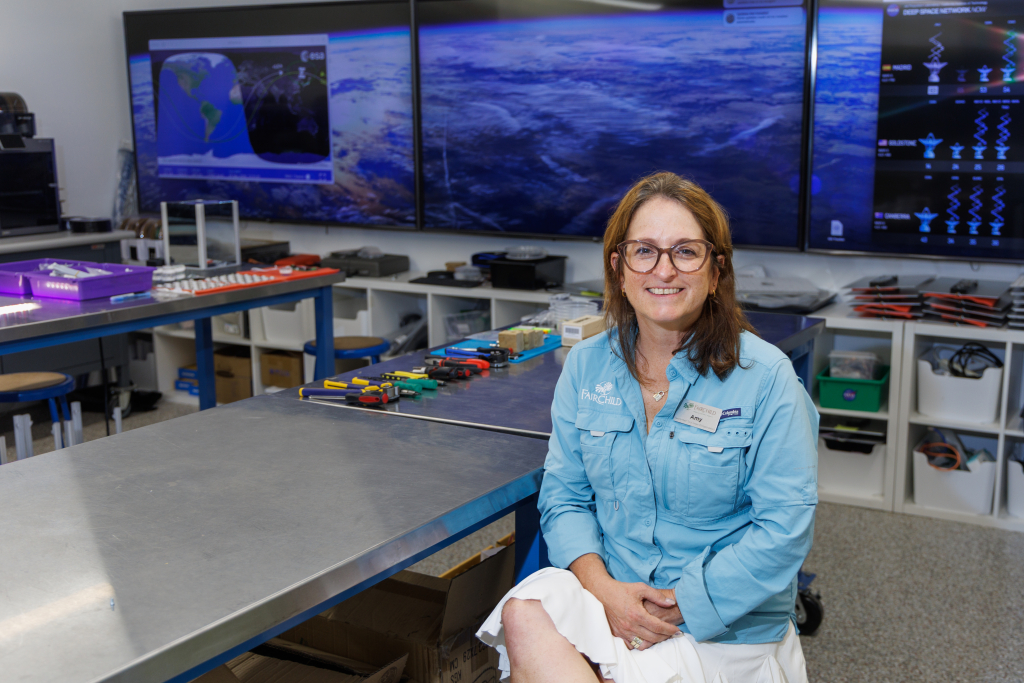
Today, more than 500 schools in 12 countries – including 47 states in the U.S. – participate in the program, testing which crops might sustain astronauts during long-duration missions. “The students are the researchers,” says Padolf. “They do all of the replication of the experiments.”
Here in the Gables, they also beta test equipment, which is sent to schools around the world. Most of the researchers at Fairchild are seniors from Miami’s Biotech High School, which partners with the Garden. After taking introductory botany courses, students can spend hours each week working inside the Innovation Studio as part of their curriculum.
Joshua Rodriguez, one of the student researchers, explains that the lab replicates conditions on the International Space Station. On device attempts to simulate microgravity through constant motion, allowing students to observe how plants behave when the normal pull of gravity is reduced. Other variables such as lighting and fertilizer are tested to see how different species respond. “From this lab we’ve had five plants go into the ISS,” says Rodriguez, listing tomatoes, peppers, bok choy and mizuna among the successful crops.
Another student, Annarela D’Ambrosio, is testing plants in a lunar soil simulant, a substance designed to mimic the composition of moon dust. The goal is to determine whether crops might someday grow on the Moon or even support missions to Mars.
For the students, the experience is transformative. Rodriguez says the program inspired his decision to pursue biotechnology, because it allowed him to see research translated into real-world applications. “It’s not just for a ribbon like a science fair,” he says. “Seeing your research actually be used — that’s what makes it meaningful.”
Student Deivy Rodriguez plans to study psychology after becoming fascinated with how plants might improve astronauts’ mental health during long missions. Even astronauts themselves occasionally influence the research at Fairchild – including a request to grow tea plants aboard the station.
SUSTAINABILITY
How can we meet our present needs for food, energy, etc., without compromising the future? One major answer is innovative recycling.
FOOD WASTE RECLAMATION
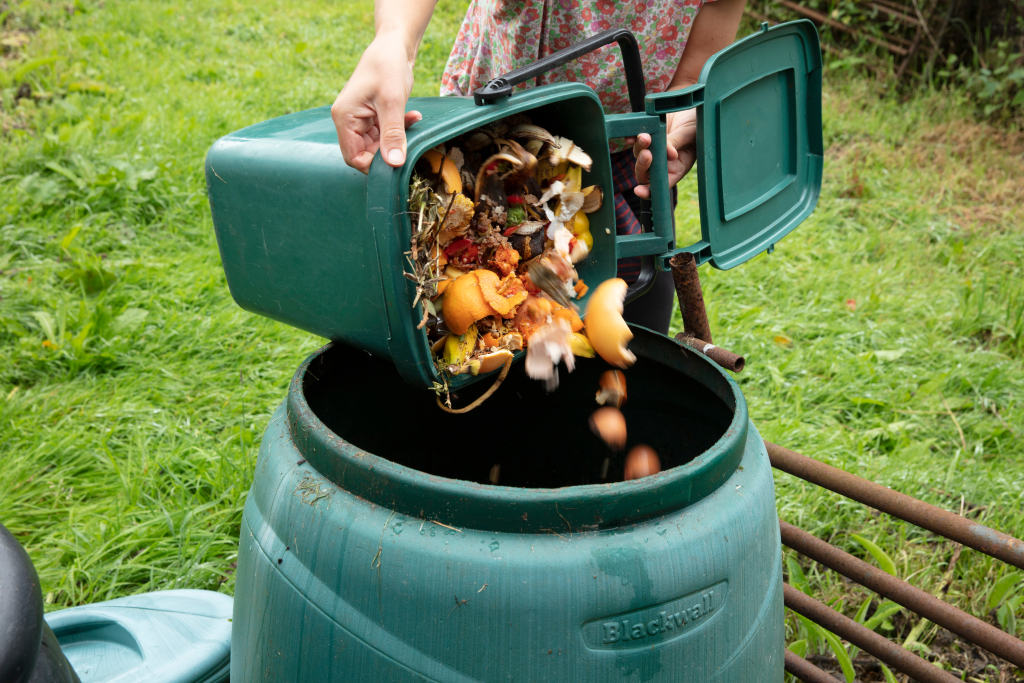
Any farmer knows that one of the best ways to create soil is through a compost pile, where organic waste – read that as food scraps – are piled up and mixed with carbon “browns” such as dry leaves, twigs, straw, or even shredded cardboard. The result is the creation of nitrogen-rich soil. Environmentally-minded Gables residents have been asking for an urban community compost location, and one is now coming to the Coral Gables Library, where two 45-gallon bins will be installed for residents to dump their food waste. The bins will be locked with a combination for residents who want to participate.
MORE RECYCLING
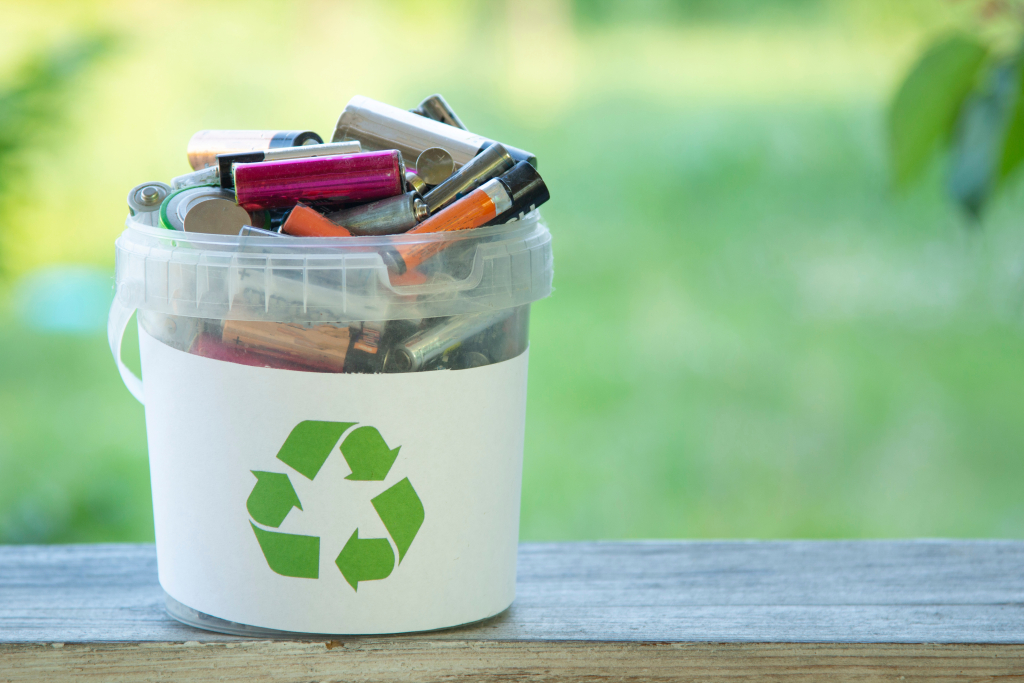
Coral Gables has been a leader in the recycling of various toxic and non-biodegradable wastes, with biannual, drive-thru recycling events at City Hall that have diverted over 651,500 pounds of waste from landfills over the last nine years. Collected items have include electronics, household hazardous waste (paint, chemicals), clothing, and confidential documents. Now, the city intends to expand the items collected to include plastic bags, film, and batteries. They will also use the Sunset fire station as a collection spot for medical wastes (prescription drugs, syringes, etc.)
THE BIOCHAR SOLUTION
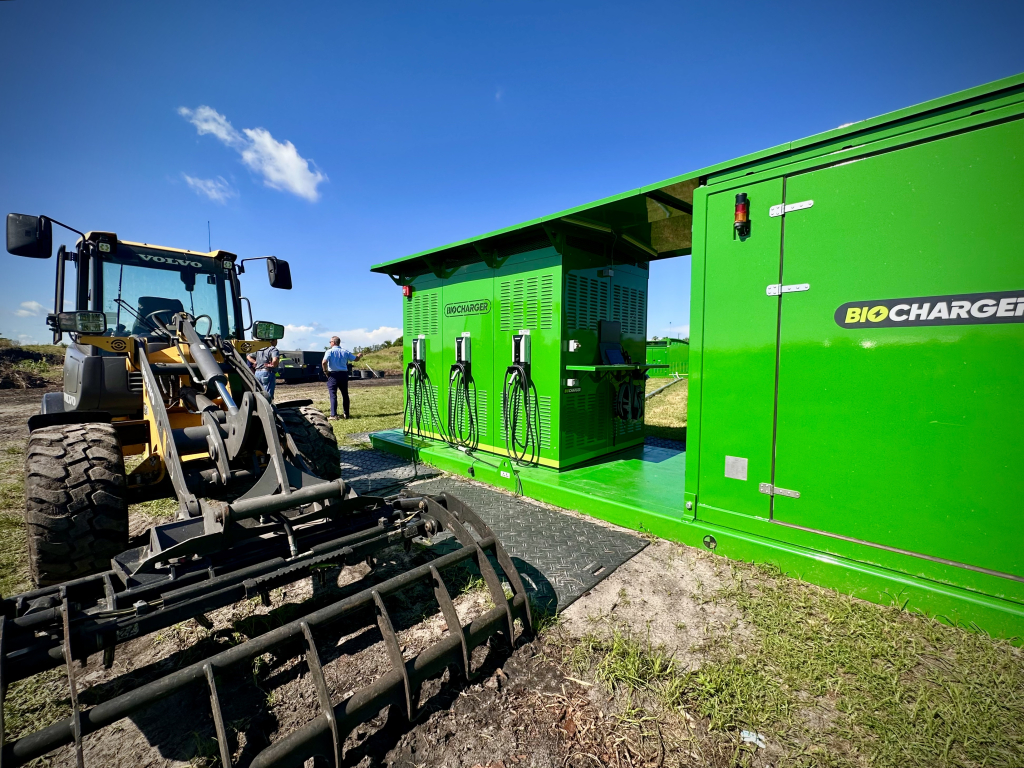
Coral Gables generates large volumes of green waste every year from tree trimming, landscaping, and storm cleanups. With more than 42,000 trees in public right-of-ways alone – not counting thousands more on private property – the city must regularly dispose of tons of branches, leaves, and other organic debris. Traditionally, that material has had to be hauled away for disposal, an expensive process that can cost around $80 per ton.
The innovative solution: a biochar production facility on city-owned property near SW 72nd Avenue. After reviewing alternative technologies, the office of City Manager Peter Iglesias is moving forward with a system that converts organic material into biochar – a carbon-rich product created by heating plant matter in a controlled, low-oxygen environment. The process resembles burning, but with a critical difference: specialized airflow systems prevent smoke from escaping while capturing energy from the heat.
The proposed facility will sit on roughly six acres of city-controlled land near 72nd Avenue, where Public Works now operates, including an adjacent parcel that already requires environmental remediation. The size of the site will allow the city to process all of its green waste locally instead of shipping it elsewhere.
The heat produced during the process will also drive a generator capable of producing electricity, which would then charge battery systems used to power equipment at the facility. The resulting biochar can be used as fertilizer or be processed into a lightweight aggregate similar to low-strength concrete or asphalt used in applications such as sidewalks and parking lots.
Processing green waste locally could reduce the city’s disposal costs to roughly $20 per ton,
and Coral Gables could accept green waste from neighboring municipalities or commercial landscaping companies, charging $40 a ton for disposal. The site sits next to a railroad line, which would allow the city to ship biochar products to outside markets if demand develops. Construction of the facility will likely take one to two years once approvals and site arrangements are finalized.
CIVIC TECHNOLOGY
Coral Gables is known nationally as a leading “smart city” due to advances in IT. But in the end, all of these innovations are designed for the sake of one goal: improving the lives of people who live and work in the Gables.
SMART DISTRICT BROADBAND
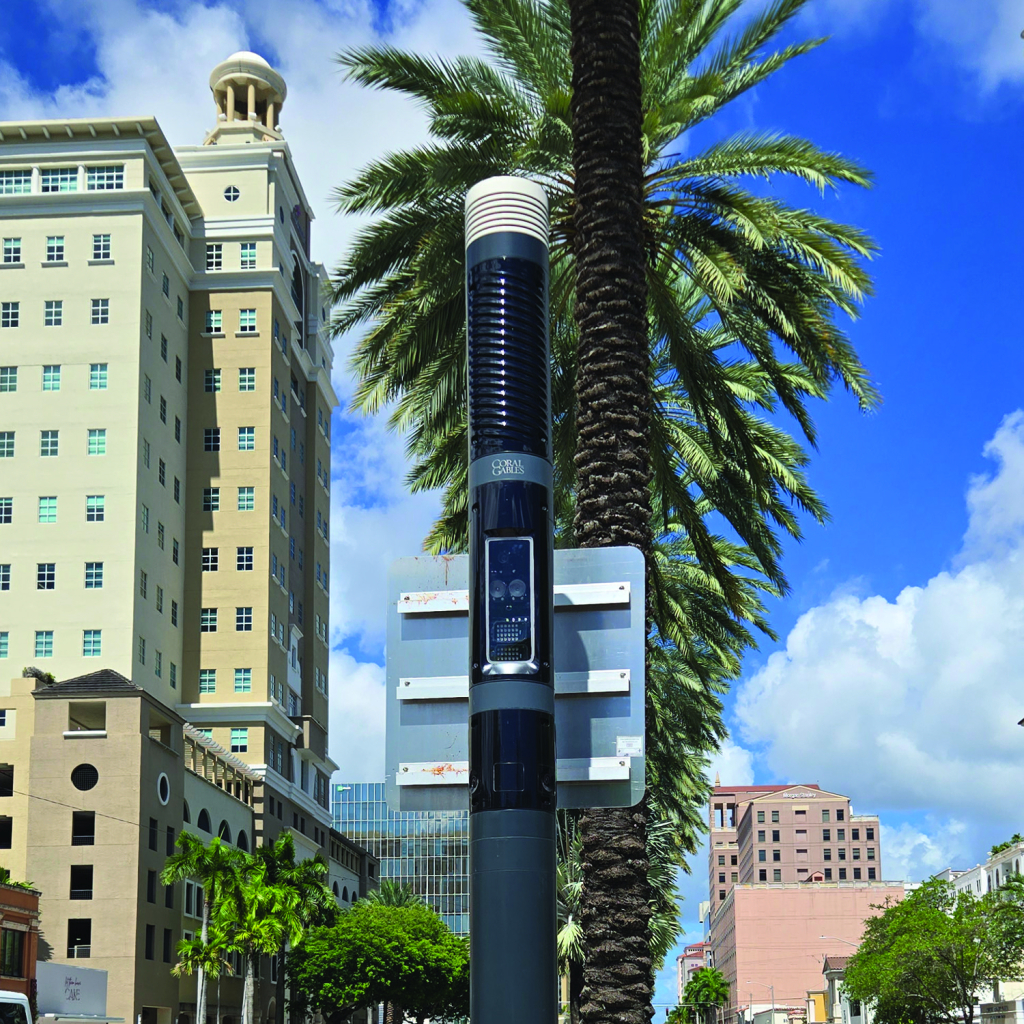
One of the reasons Coral Gables wins so many awards as a “Smart City” is its deployment of miles of fiber optic cables throughout the downtown, municipal infrastructure that connects city buildings, provides secure high-speed data transmission, and supports public Wi-Fi, sensors, and smart city technologies. Phases one through four already connect key corridors such as Miracle Mile, Alhambra Circle, and Ponce de Leon Boulevard. Phase five will now extend the network further south to U.S.-1 and into the city’s emerging innovation district. The fiber network provides the foundation for technologies like traffic sensors and advanced public safety systems.
911
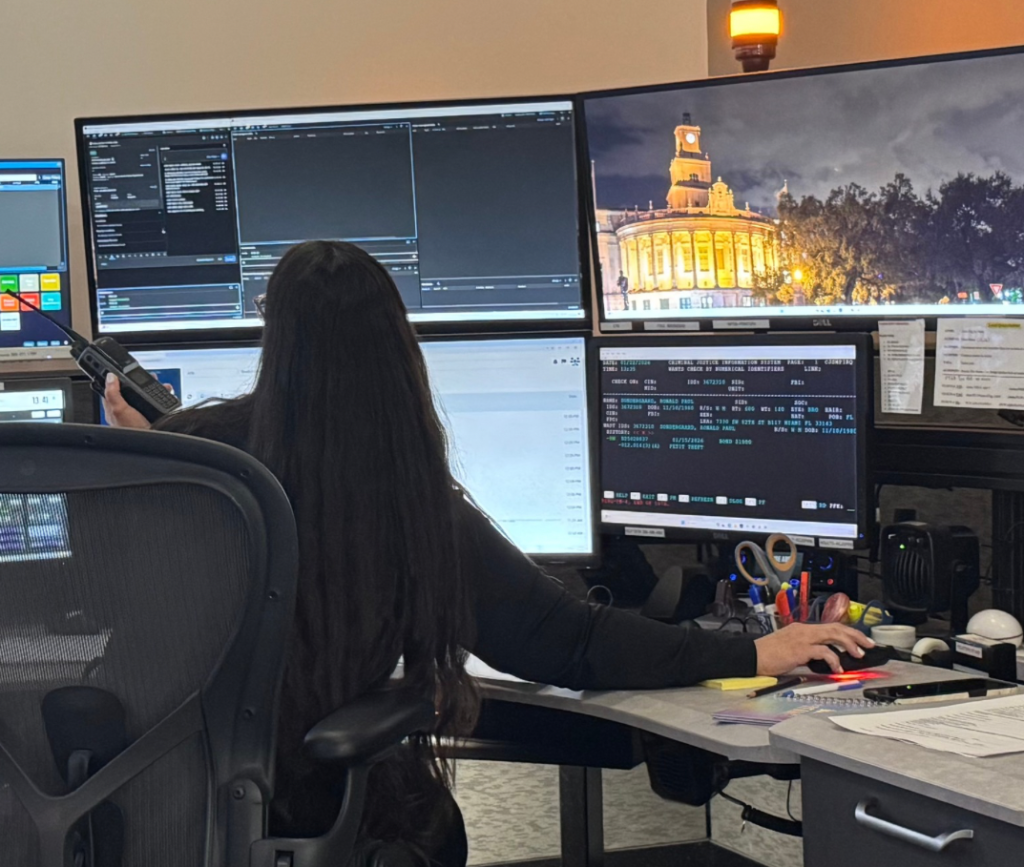
Coral Gables has always been proud of its response times, going so far as to build new fire stations near areas where response time was lagging. A key to the information chain that allows first responders to get to the scene is the 911 link. Operators in the city’s Public Safety Building are vital links for dispatching help. Making that communication ever easier, the city now allows 911 calls to come in as texts, for cases where victims cannot speak. Next on the development list is instant language translators that will allow operators to understand calls in any language.
DELIVERY BOTS
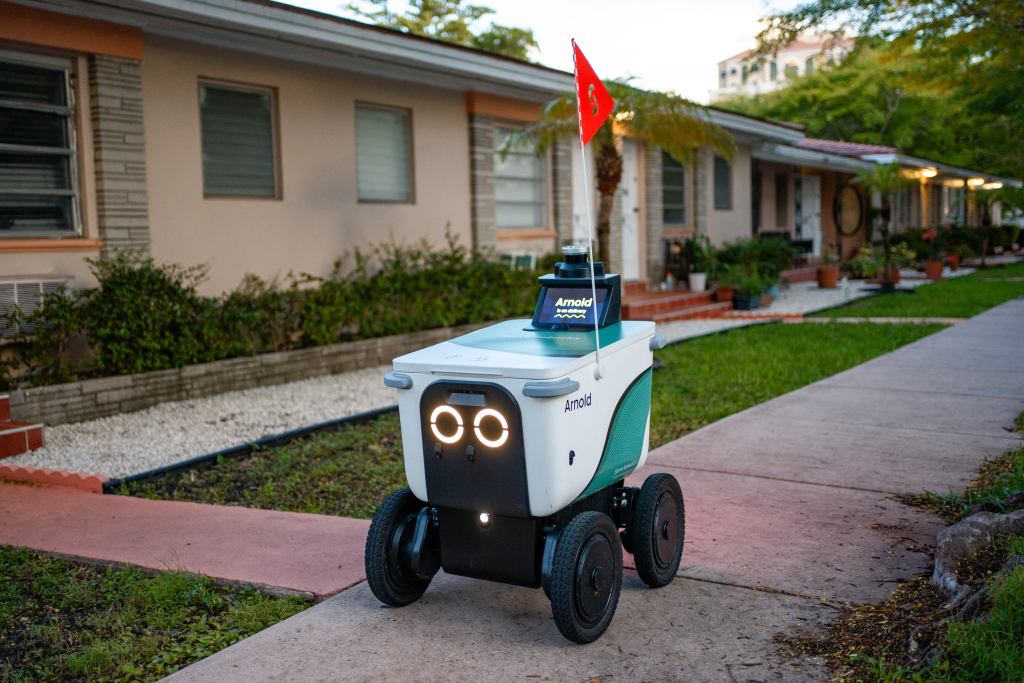
A fleet of friendly-looking wheeled robots are now traversing the city, particularly in the downtown. The delivery robots are deployed mostly for food deliveries through UberEats. Serve Robotics, which owns the ‘bots, gives each their own name – from Leah to Googoosh – powering them with artificial intelligence and monitoring them with humans. According to Serve Robotics, the aim is to cut down on traffic. “Why deliver two-pound burritos in two-ton cars?” its website asks.
CORAL
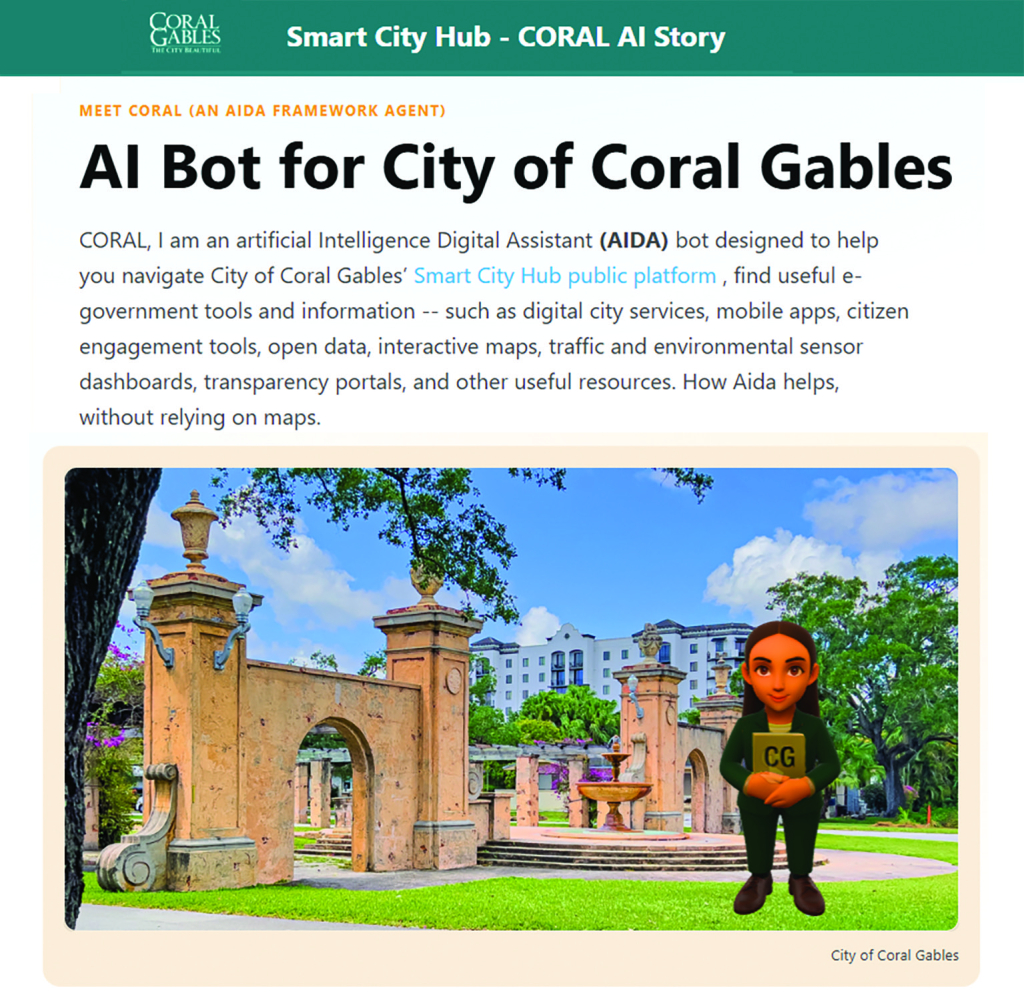
As AI drives change in the Gables, one of the most visible innovations is Coral, the city’s artificial intelligence assistant. Available through the Coral Gables website, Coral functions like an advanced chatbot trained on city information and services. Residents can ask questions about permits, city events, departments, and procedures in plain language. Instead of navigating dozens of webpages, users can simply ask: How do I apply for a permit? Where can I pay a fee? What events are happening this weekend? Coral pulls answers directly from city websites, procedures, and data, using generative AI technology similar to ChatGPT.
SKY EYES
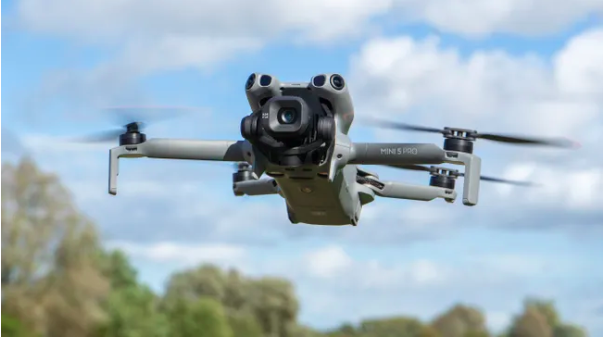
The Coral Gables Police Department has been experimenting with its drone team for more than a year now. Careful consideration and restraint have been the watchwords, avoiding the optics of becoming invasive with hovering Big Brother drones observing citizens from the sky. In the case of active crime scenes or other emergencies requiring police presence, however, the department is now developing early response drones which can get to the scene before officers can by car or on foot. Information from early arrival drones would be conveyed back to officers, better preparing them for arrival.
EDUCATION
AI is driving innovation in education today, including enhancing student learning based on feedback algorithms. AI-driven virtual reality opens whole new vistas for interactive learning – as does remote campus access.
UMVERSE
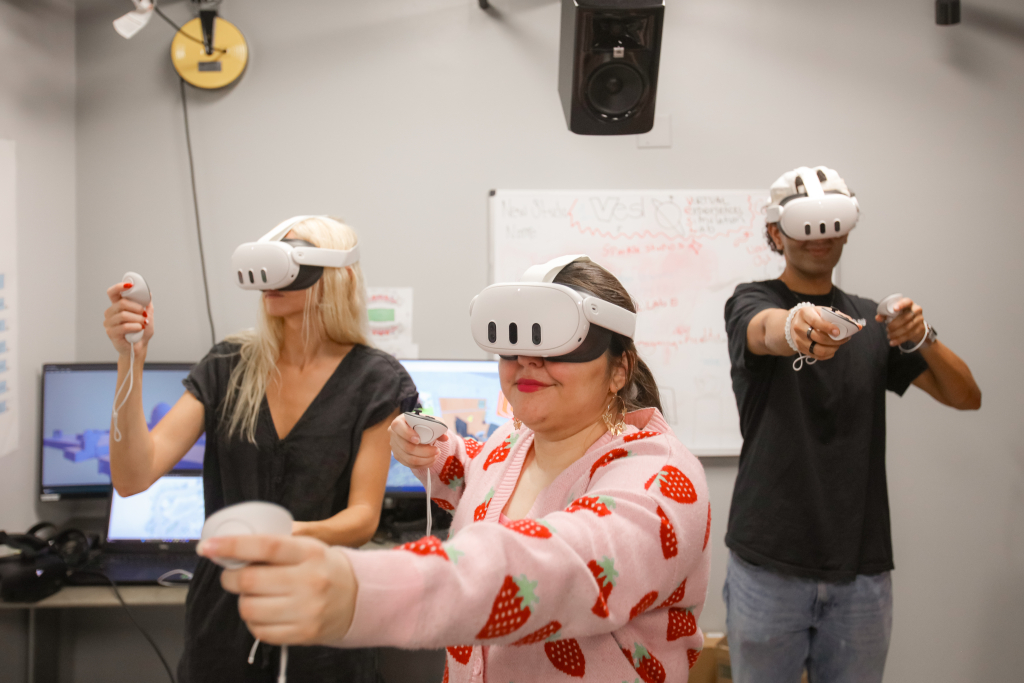
The use of AI-mediated virtual reality has become so entrenched as an innovative approach to education that all students now must take an introductory course in VR. These headset systems are now used in 50 different classes at UM, for everything from history and architecture to anatomy and fine art. In such classes, students can explore virtual three-dimensional spaces – from moving through the interiors of ancient buildings, to rotating 3D constructs of molecules for organic chemistry classes. UM is so advanced in its VR capacities that it has received visits from researchers at META and Disney’s Imagineers. Students can also develop their own projects at UM’s Virtual Experiences Simulation Lab (VESL).
BELMONT VILLAGE
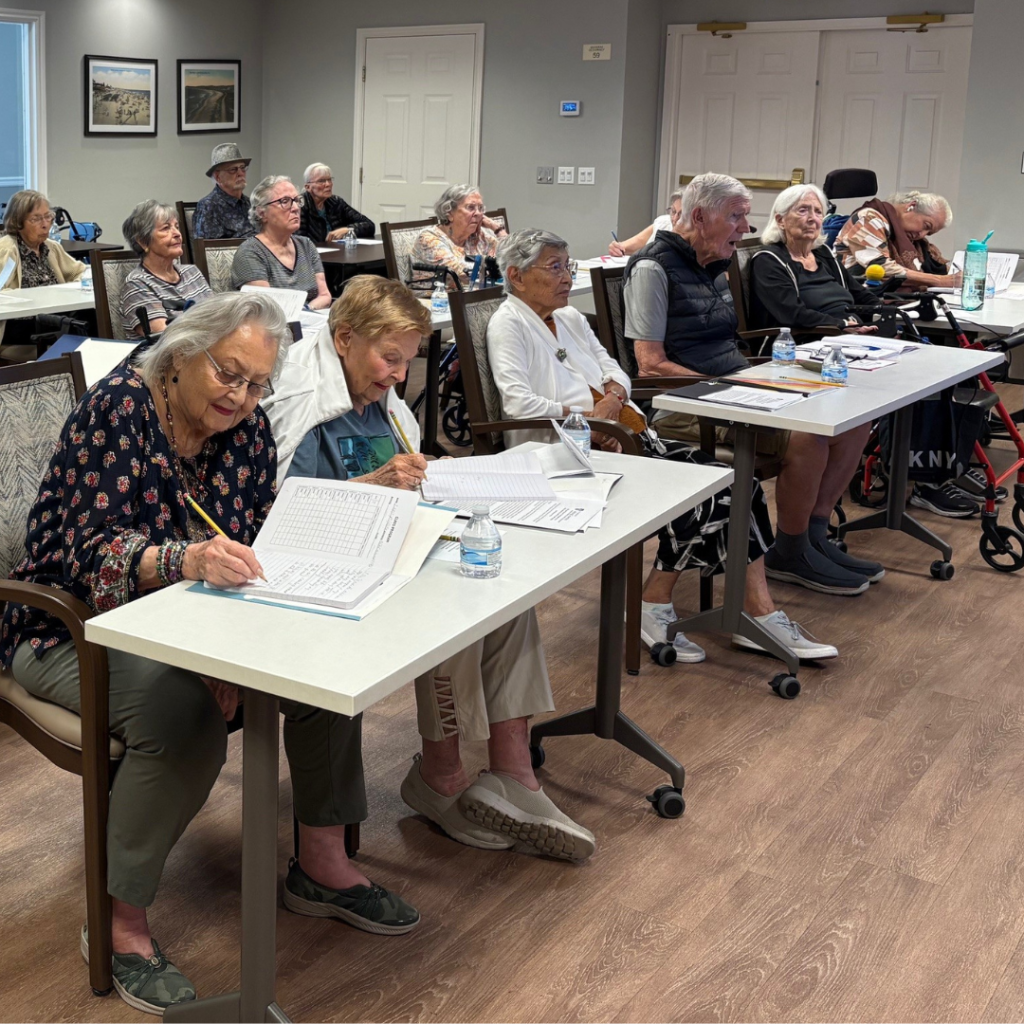
As the saying goes, if you can’t bring Muhammad to the mountain, bring the mountain to Muhammad. That is the idea behind a new program at Belmont Village, a pilot being tested in partnership with Rice University’ Glasscock School of Continuing Studies. It’s called the Lifelong University, a custom-designed program that brings college-level learning opportunities directly to retirement community residents. Research has shown that continual learning stimulates the neural cortex, creating new brain cells – and, in the process, forestalling cognitive decline and helping keep memory intact. Classes, which are projected via Zoom with live Rice scholars, offer late-in-life learners a variety of courses on everything from evolutionary biology and the Mayan civilization to lunar science and medieval art history.
HISTORIC PRESERVATION
One of the more innovative ways to preserve the local history of Coral Gables is by re-inventing the purpose of a historic building. Known as re-purposing, sometimes the building is slightly altered – but it is also saved and protected for future generations. Here in the Gables, there are several prime examples.
ST. MARY FIRST MISSIONARY BAPTIST CHURCH
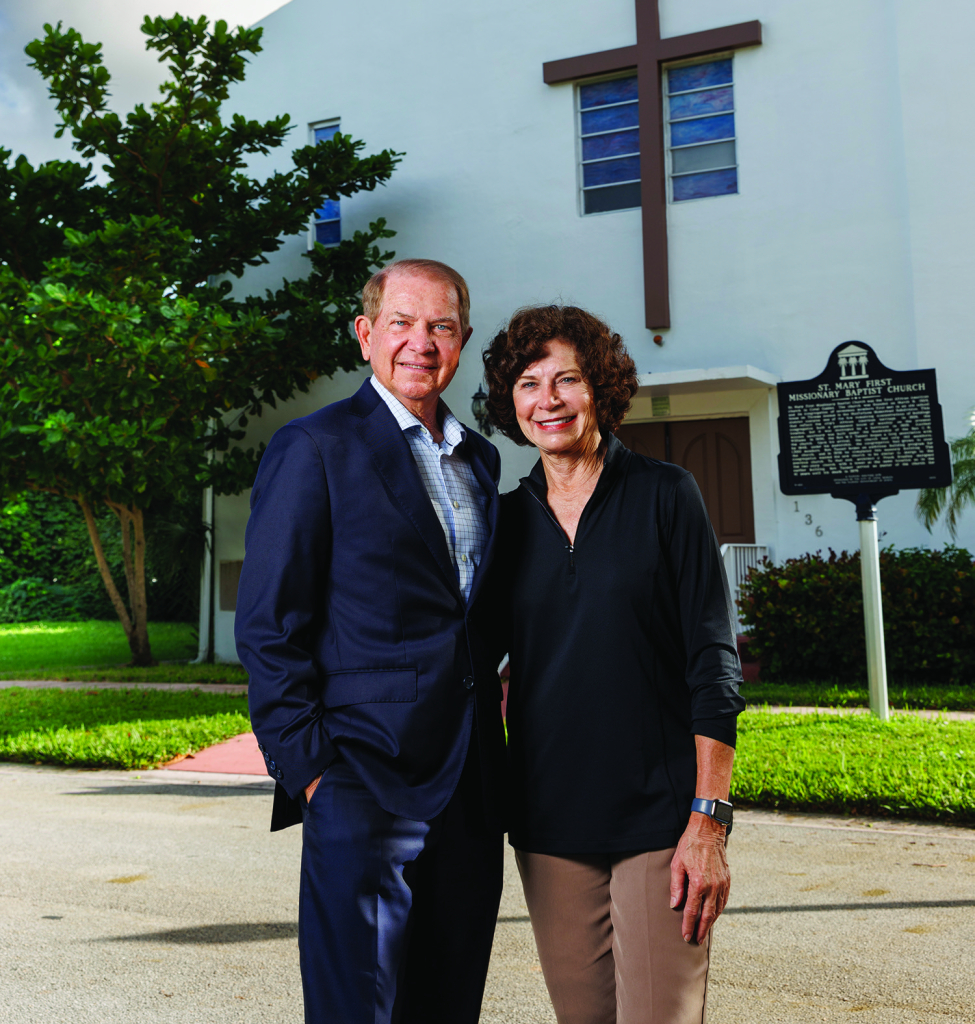
St. Mary’s Baptist Church was built in 1924, and for much of the past century served as a house of worship for the black community of Coral Gables’ McFarland District. It was condemned as unsafe and nearly demolished before Gables attorney Mike Eidson purchased and restored the church, turning it into a performance and cultural arts center. Today the renovated church operates as a 100-125 seat multi-purpose theater for performances, including by local dance groups and musicians. It also serves as a space for arts education, workshops, and special events, such as the annual Martin Luther King Jr. reenactment.
THE MERCEDES-BENZ BUILDING
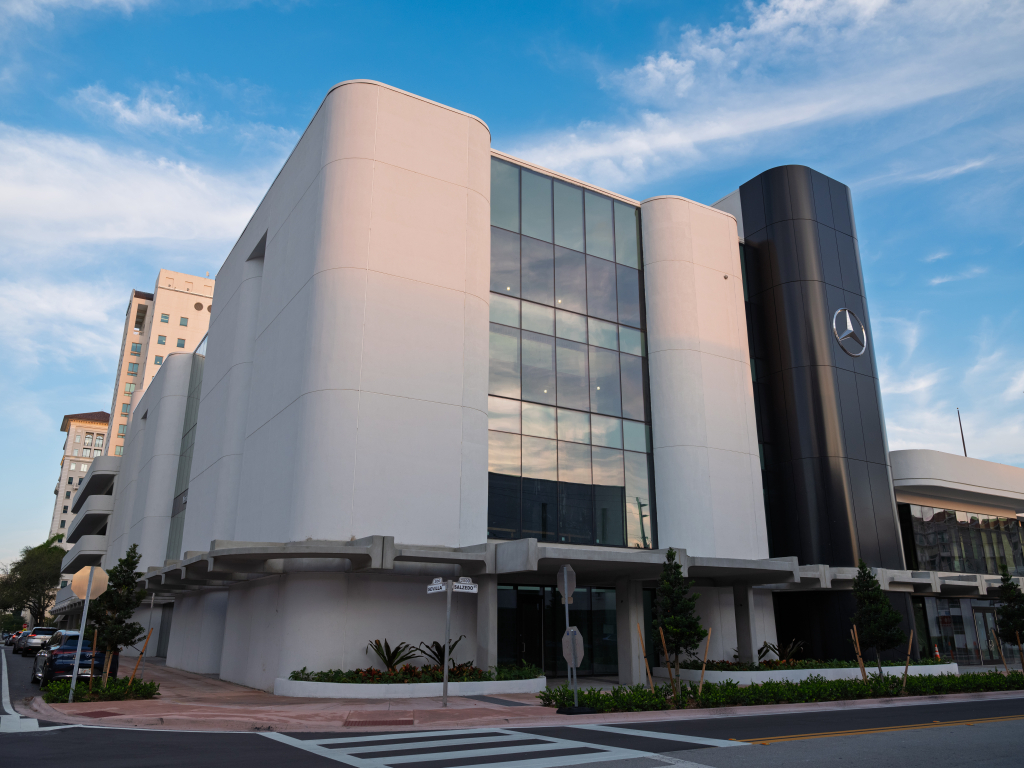
Located at the intersection of Salzedo and Sevilla, the former Public Safety Building for the Coral Gables Police and Fire Departments was on its way to demolition. A prime example of
what is known as Brutalist architecture, the building was saved by Bill Ussery Motors, which operated the Mercedes-Benz dealership across the street. The building had been bought by developer Armando Codina, but he swapped it with Mercedes for a nearby property where he could build his Regency Parc luxury apartment building. Mercedes then converted it to offices and a parking garage for their inventory, painting the tawny concrete structure white as part of its transformation.