
The State of the Arts
|
Getting your Trinity Audio player ready...
|
The arts in Coral Gables have never been stronger. The city boasts an extraordinary concentration of theaters, museums, galleries, performance spaces, and literary institutions. Audiences are growing, new projects are underway, and collaborations are flourishing. Yet beneath this cultural renaissance lies an unsettling reality: The financial foundations supporting the arts are increasingly precarious.
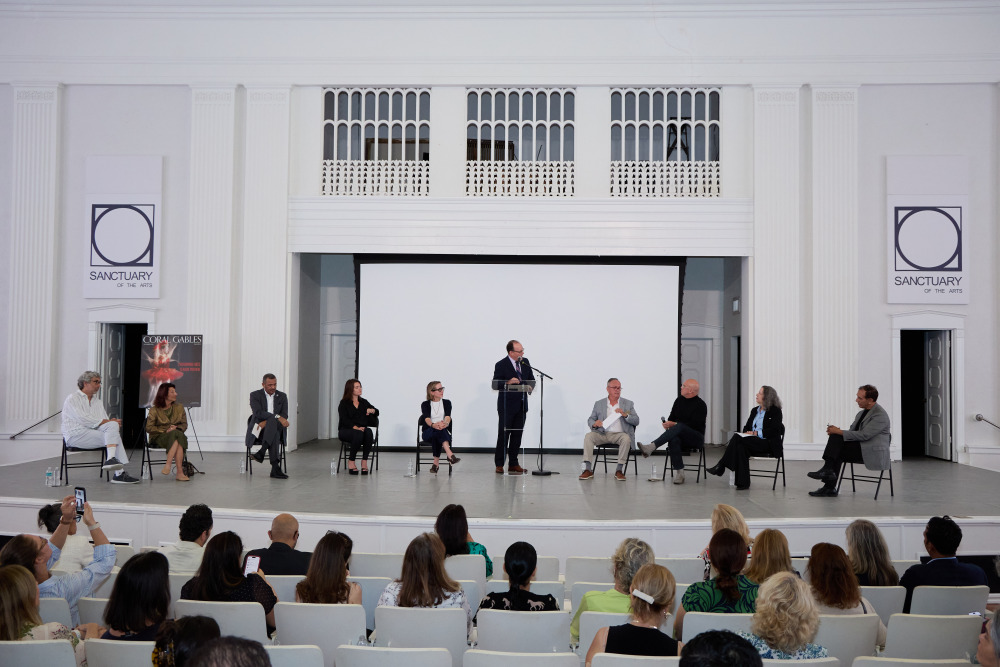
That was the central paradox explored at the Fourth Annual State of the Arts, hosted last month by the Sanctuary of the Arts and Coral Gables Magazine. Introduced by Sanctuary director Rafi Maldonado-Lopez, moderated by WLRN CEO Tom Hudson, and sponsored by City National Bank and Regency Parc, more than 200 citizens and civic leaders attended the discussion by leaders of the city’s principal cultural institutions.
Hudson opened with sobering statistics. Federal arts funding has stagnated, the State of Florida’s funding remains far below previous levels, and corporate philanthropy is increasingly uncertain. Fortunately, the City of Coral Gables continues investing in culture, allocating approximately $280,000 this year to 45 arts organizations, an expenditure expected to generate more than $20 million in economic impact.

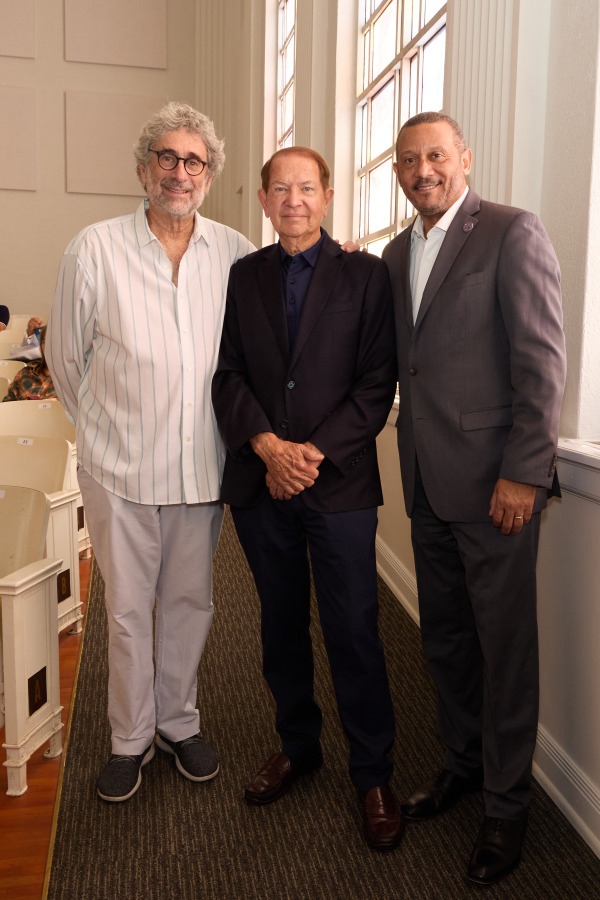
Mitchell Kaplan with Barbara Stein JP Faber, Gloria Baez, Rafi Maldonado 
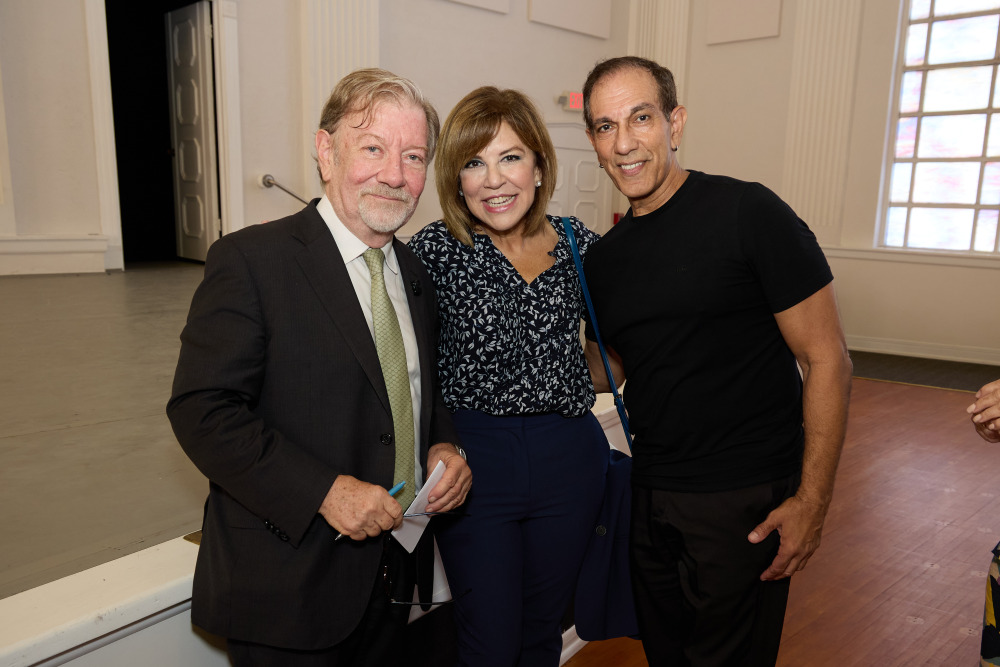
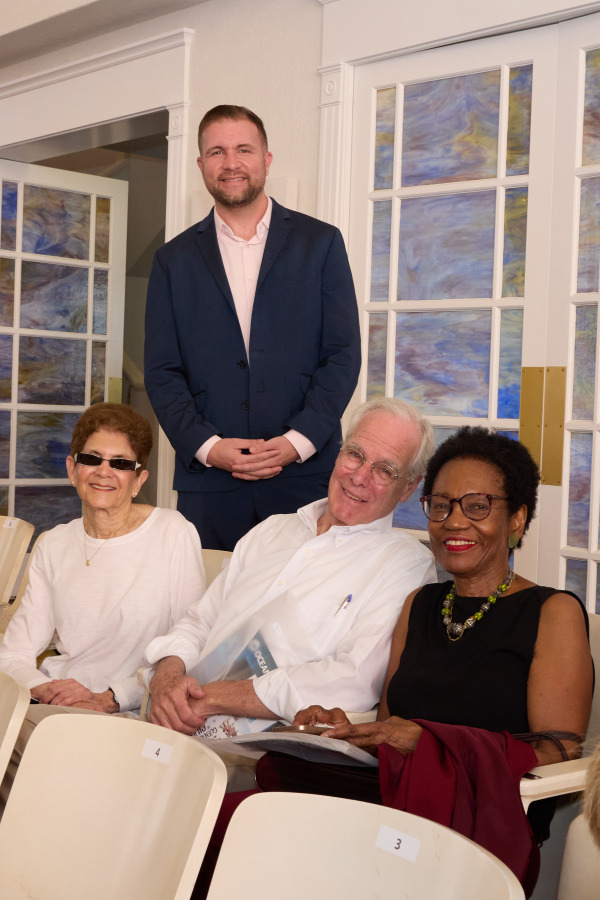
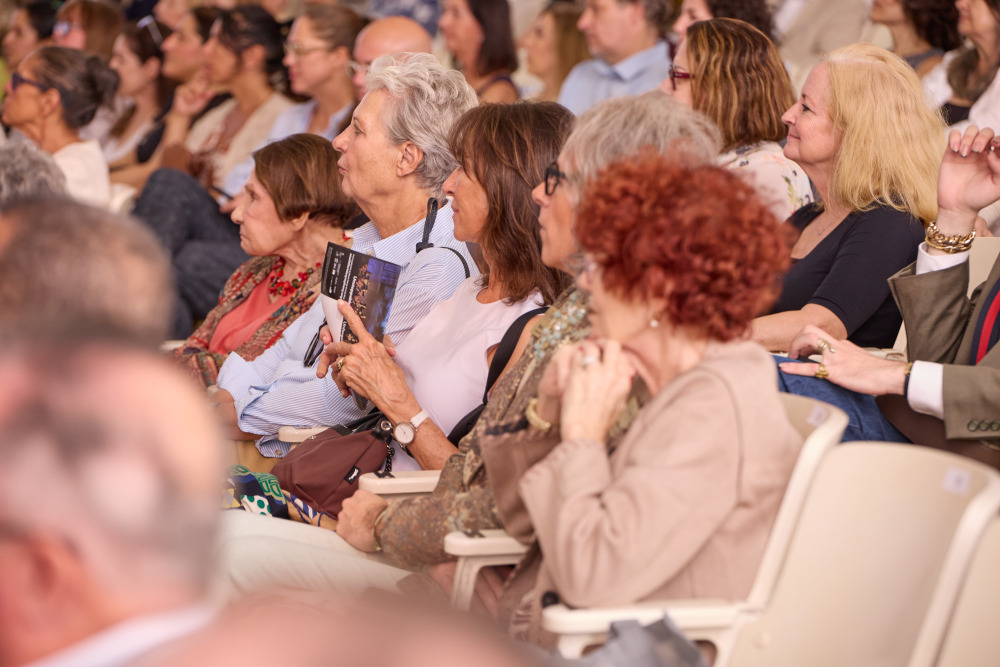
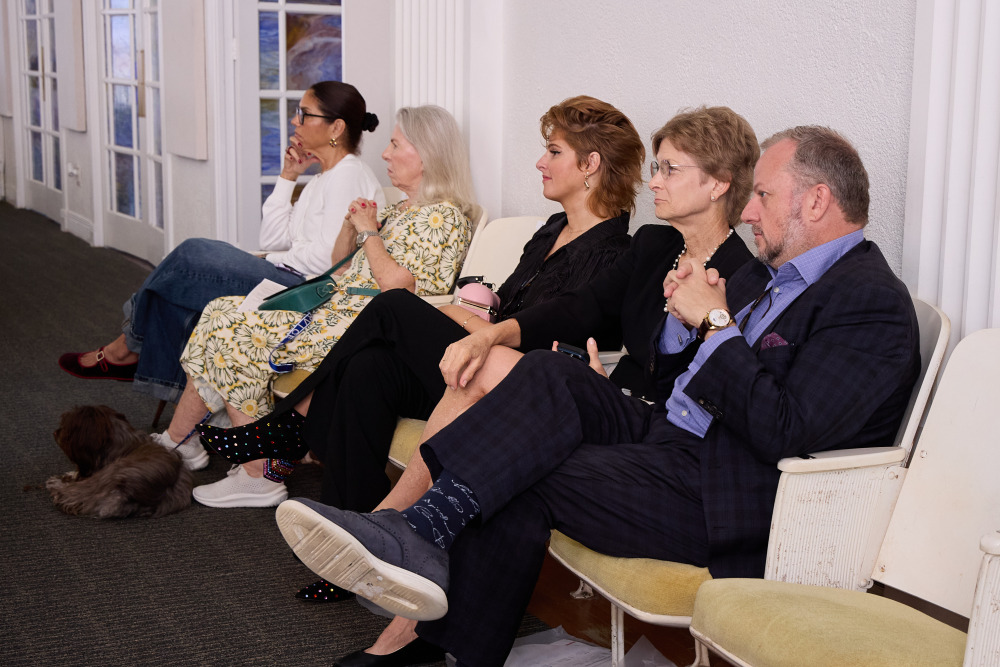
Lee Casey (standing), sitting (L to R): Tracey Corwin, Howard Herring, Marilyn Holifield Mitchell Kaplan, Mike Eidson, Juan Escalante Crowd shot Tom Prescott (right), with Vice Mayor Rhonda Anderson (next right) and Isabella Prida Fred Heisenbottle, Ray Coral, Catherine Cathers
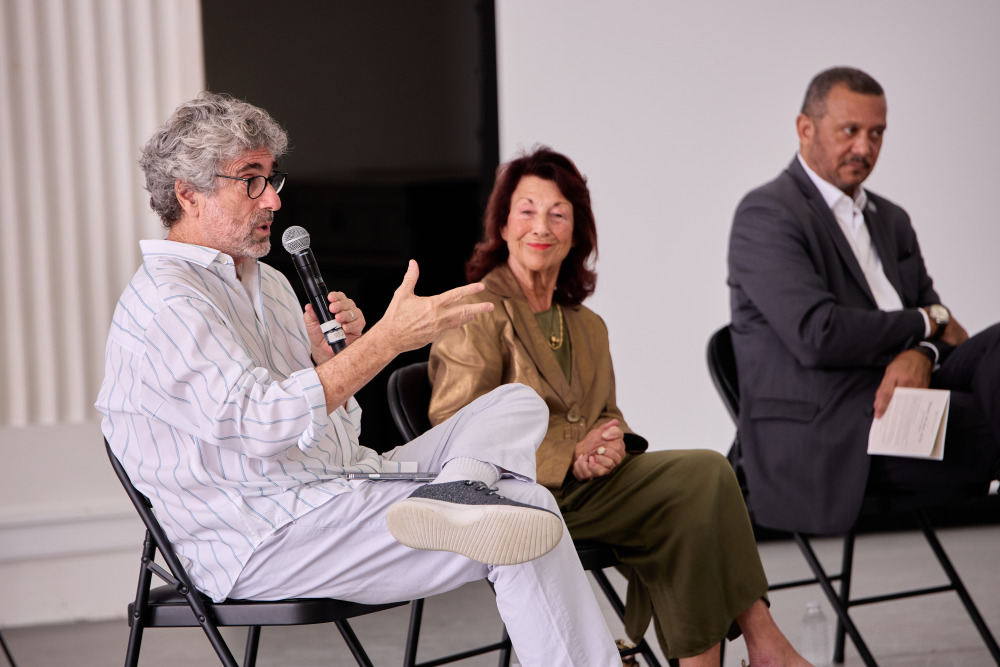
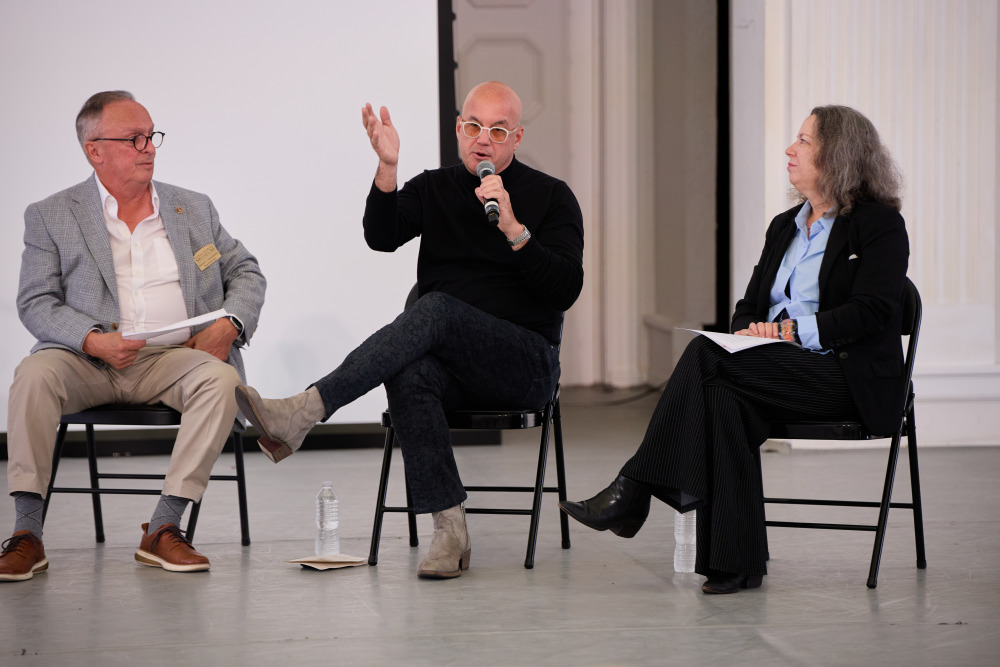
For Mitch Kaplan, founder of Books & Books, the contrast between opportunity and uncertainty was striking. “I don’t think we’ve been in a better place with arts infrastructure than we are now,” said Kaplan. The diversity of cultural offerings, he observed, is unprecedented. Equally encouraging is the growing number of young people frequenting his bookstore and other cultural venues. Kaplan warned of threats beyond financial support, particularly censorship and restrictions on freedom of expression, with Florida among the states experiencing the most book bans.
Barbara Stein, executive producing director of Actors’ Playhouse, described another challenge: rebuilding theater audiences while confronting declining corporate support. “Corporate funding is declining drastically,” she said, emphasizing the importance of private philanthropy and in-kind contributions. She argued that Coral Gables should market itself more aggressively as a cultural destination, attracting more tourists.
That economic argument resonated with Juan Escalante, GableStage’s new CEO, who urged supporters to stop thinking of arts funding as charity. “Look at the arts as an investment, not as a charity or a gift,” he said. Nonprofit arts organizations,he emphasized, employ people, generate revenue, and stimulate surrounding businesses.
Brenda Moe, executive director of Coral Gables Art Cinema, offered evidence of the community’s commitment. Even while the cinema was closed during the pandemic, its membership increased 19 percent. Now celebrating its 16th anniversary, the cinema is preparing to add a second screen, expanding its ability to present independent films that distributors might otherwise withhold because of scheduling requirements.
At the Lowe Art Museum, executive director Jill Deupi described the delicate balance At the Lowe Art Museum, executive director Jill Deupi described the delicate balance between artistic ambition and financial realities. Although under the umbrella of the University of Miami, the museum receives only 40 percent of its operating budget from the university. The museum also balances exhibitions by internationally celebrated artists with opportunities for local talent, demonstrating how it can serve both a global audience and its immediate community.
Meanwhile, the Coral Gables Museum is preparing an ambitious exhibition, Masterpieces in Private Hands, featuring approximately 40 to 60 works from major Miami private collections. Board member Fred Heisenbottle described the undertaking as part of a broader transformation, supported by philanthropy and improvements to the historic museum building.
Private philanthropy was another recurring theme. Ray Corral, founder of the Mosaic Art Fund, described his mission of providing direct financial support to individual artists, while co-founder Catherine Cathers, the city’s arts and culture coordinator, emphasized the importance of public-private partnerships. Cathers noted that applications for city cultural grants have been increasing approximately 10 percent annually.
Maldonado-Lopez, returning to the discussion’s central question, emphasized the need to fill seats and expand financial support.His own Sanctuary, he noted, operates independently without the institutional ties enjoyed by some other organizations.
Mayor Vince Lago, who joined the discussion, offered a personal endorsement of the arts, describing his family’s tradition of visiting galleries and museums. He is championing the Coral Gables Museum exhibition and discussed plans to bring major public artworks to the city, including pieces by Frank Stella and potentially Richard Serra.